A new self-testing method for cervical cancer has shown promising results and could significantly increase screening rates by making the process more convenient and accessible for women. Researchers say the innovation has the potential to improve early detection, particularly among women who avoid or delay routine cervical cancer screening due to discomfort, limited access to healthcare facilities, or personal and cultural barriers.
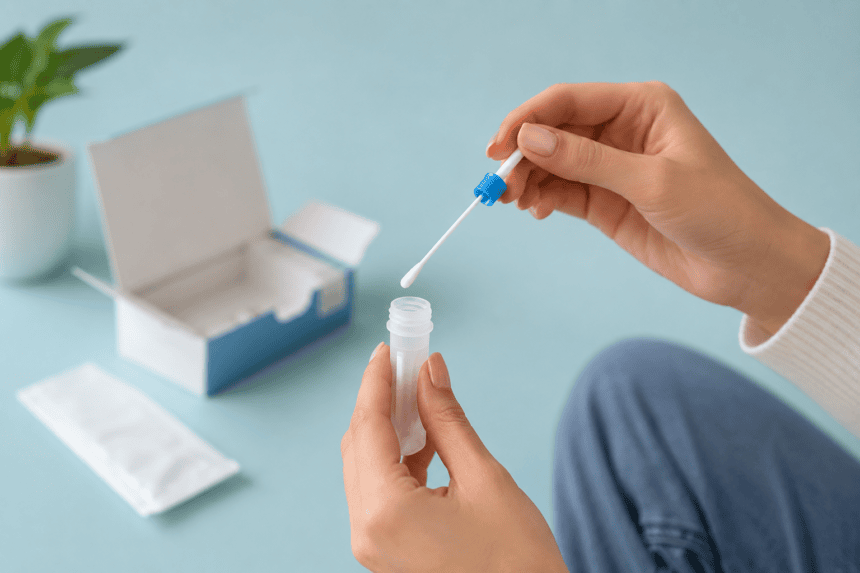
The self-test allows women to collect a vaginal sample themselves, either at home or in a healthcare setting, which is then analyzed for high-risk strains of the human papillomavirus (HPV) — the primary cause of nearly all cervical cancer cases. Studies have found that self-collected samples for HPV testing are highly accurate and comparable to samples collected by healthcare professionals when using validated laboratory methods.
Health experts believe the availability of self-testing could help reach underserved populations, including women living in rural areas, those with limited access to medical services, and individuals who have never participated in cervical cancer screening programs. Increasing screening participation is considered one of the most effective strategies for reducing cervical cancer cases and deaths through early diagnosis and timely treatment.
The new approach also supports the global goal of eliminating cervical cancer as a public health problem by expanding access to screening alongside HPV vaccination and improved treatment services. Researchers stress that women who receive a positive HPV result through the self-test should still consult healthcare providers for follow-up examinations and, if necessary, further diagnostic procedures.
Medical professionals have welcomed the development, saying that self-testing could remove many of the barriers that prevent women from getting screened and ultimately save thousands of lives through earlier detection and treatment of cervical cancer.