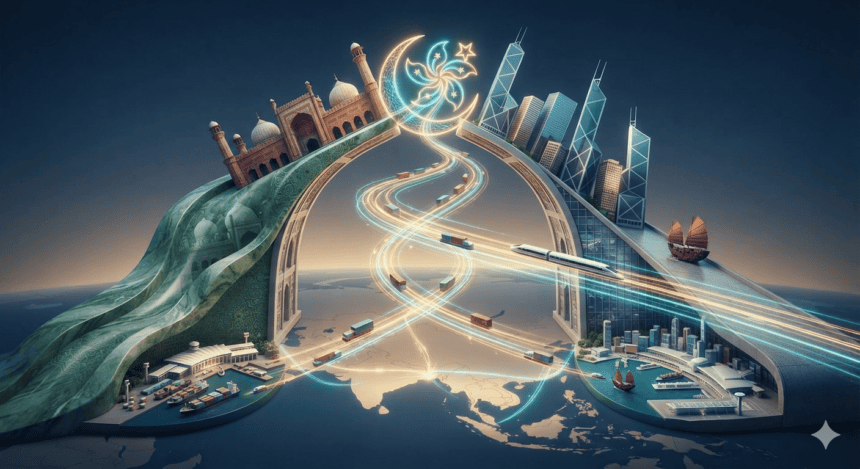
Pakistan and Hong Kong have signed a formal arrangement to streamline customs procedures and enhance information sharing, a move officials hope will plug gaps in trans-border trade.
The agreement, finalized this week, establishes a framework for the exchange of intelligence between the Pakistan Customs and the Customs and Excise Department of Hong Kong. It aims to curb smuggling, trade-based money laundering, and customs fraud—persistent headaches for Pakistani regulators dealing with high-volume imports from the territory.
For traders, the pact means faster clearance times. By aligning digital documentation protocols and verification processes, the two sides expect to reduce the manual oversight that currently delays shipments at ports.
“This isn’t just about sharing paperwork,” said a trade analyst familiar with the negotiations. “It’s about real-time data integration. If the systems talk to each other, the scope for under-invoicing—a massive drain on Pakistan’s tax revenue—shrinks significantly.”
Pakistan’s trade deficit with regional partners remains a recurring point of friction in its economic policy. While Hong Kong serves as a critical gateway for electronics, machinery, and raw material imports, the lack of a formal customs mechanism has historically allowed for discrepancies in declared values.
The deal follows a series of high-level meetings focused on expanding the China-Pakistan Economic Corridor (CPEC) logistics chain, where Hong Kong firms play a central role in financing and shipping. By formalizing this cooperation, Islamabad is betting on a more transparent revenue stream, though the real-world impact hinges on how quickly the two customs departments integrate their automated systems.
The arrangement is effective immediately, with technical teams from both sides scheduled to meet next month to begin standardizing data exchange formats.
Whether this leads to a measurable shift in import tax collection will be the true test of the agreement. For now, it provides a much-needed layer of institutional oversight on a trade route that has long operated in the shadows.