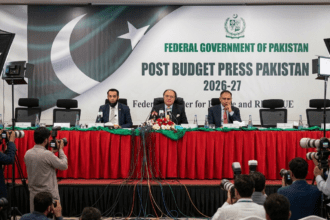
The government of Pakistan has sanctioned Rs10 billion for exporters as part of efforts to strengthen the country’s export sector, improve competitiveness and support businesses facing challenges in international markets.
The allocation is expected to provide financial support to exporters and help address some of the difficulties affecting Pakistan’s export-oriented industries. Exporters have repeatedly called for policies that can reduce business costs, improve access to finance and make Pakistani products more competitive in global markets.
The move comes as Pakistan seeks to increase export earnings and reduce pressure on its external account. Higher exports can help the country generate foreign exchange, strengthen its balance of payments and reduce dependence on external borrowing.
The sanctioned amount could also support exporters in expanding production, improving product quality and exploring new international markets. Greater investment in technology, modern production methods and value-added products is considered important for increasing Pakistan’s share in global trade.
Export-oriented sectors are also expected to benefit if the funds are implemented effectively and reach businesses in a timely manner. However, the long-term impact will depend on the mechanism used to distribute the funds and whether exporters receive sufficient support to overcome structural challenges.
Pakistan’s exporters have faced several challenges in recent years, including high energy and financing costs, logistics expenses, regulatory hurdles and strong competition from regional and international producers. Addressing these issues remains essential for sustainable export growth.
The latest financial allocation reflects the government’s focus on strengthening exports as a key component of economic growth. Officials are expected to monitor the use of the funds and their impact on export performance.
For Pakistan, increasing exports remains crucial for improving foreign-exchange liquidity and creating greater economic stability. The Rs10 billion allocation is therefore being viewed as a step toward providing additional support to the export sector and enhancing the country’s position in international markets.