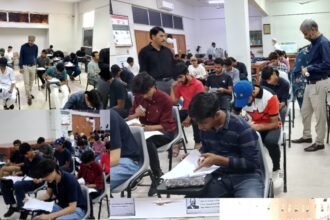
Law education in Pakistan is facing deep rooted structural deficiencies that demand urgent reforms to align with modern legal practice. According to final-year law students, the current system suffers from a disconnect between theory and practical training, leaving graduates ill-prepared for the demands of justice delivery.
Students highlight that the first year of law programs often focuses on unrelated subjects like Islamiat and Psychology, which fail to build legal thinking and are quickly forgotten once specialized courses begin. Core skills such as legal drafting, courtroom ethics, and structured argumentation are either introduced too late or neglected altogether.
Moot court competitions have been a rare source of practical training, but most student-run societies struggle without financial support. Rising tuition fees ranging from Rs100,000 to Rs250,000 per semester in private institutions have further made law education unaffordable, with no correlation between high fees and educational quality. Regulatory oversight of tuition structures is long overdue.
Technology access remains inadequate, with limited availability of essential legal databases like Pakistanlawsite. Experts stress the need for subsidized institutional licenses and promotion of global platforms like Coursera to enhance learning.
Internships, though mandatory, are largely unsupported by universities, leaving many students to graduate without real-world exposure. Experts call for year-round rotational placements in public bodies.
Legal experts urge the Higher Education Commission (HEC), bar councils, universities, and the judiciary to work together for a comprehensive, multi-tiered reform. Without it, Pakistan risks continuing to produce law graduates unprepared to meet the ethical and professional challenges of legal practice.