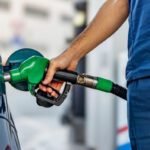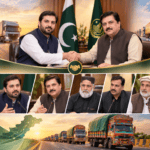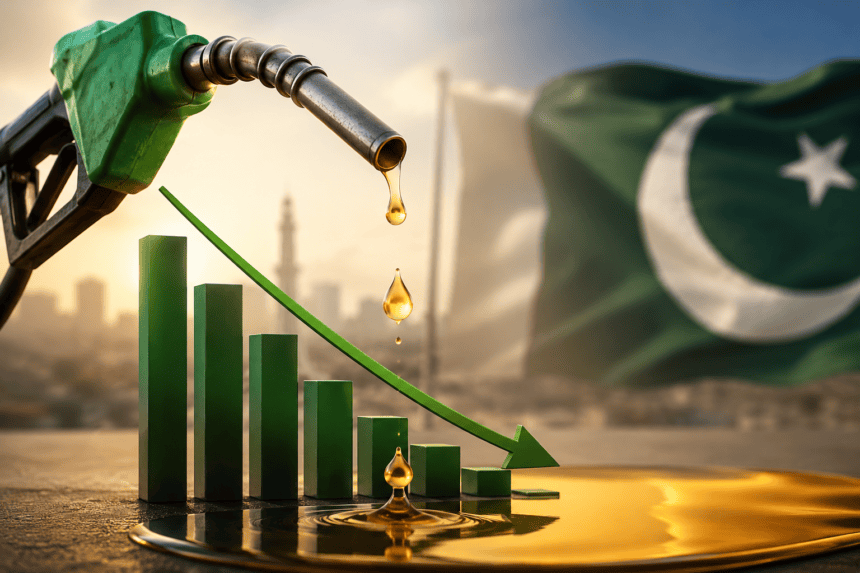
Petroleum prices in Pakistan are heading for a further reduction in the next fortnightly review. Advisor to the Prime Minister on Political and Public Affairs, Rana Sanaullah, confirmed the downward trend in a recent television interview, citing a cooling international market.
The move marks a potential relief streak for consumers grappling with high transport costs. While the final figures remain under calculation by the Oil and Gas Regulatory Authority (OGRA), the trend reflects a broader stabilization in global crude prices that has finally begun to trickle down to local retail outlets.
Sanaullah didn’t provide exact figures, but he pointed to the government’s commitment to passing on benefits whenever international benchmarks allow. The Finance Ministry is currently reviewing the average Platts prices from the last 15 days, alongside the exchange rate impact, to finalize the new rates effective from the upcoming cycle.
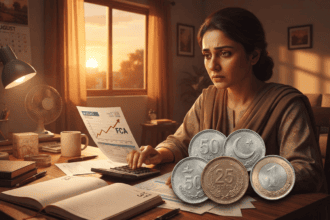
For the average commuter, the relief is overdue. After months of record-high fuel costs that pushed inflation into double digits, even a marginal decrease provides some breathing room for household budgets. However, the impact on public transport fares remains a point of contention; in past instances, fuel prices dropped while bus and taxi fares stayed stubbornly high.
The government faces a delicate balancing act. While the public demands lower prices, the treasury relies heavily on the Petroleum Development Levy (PDL) to meet IMF-mandated revenue targets. Officials are walking a tightrope—trying to keep the public satisfied without compromising the fiscal discipline promised to international lenders.
Market analysts suggest that while the global supply chain remains volatile due to ongoing geopolitical tensions in the Middle East, the current dip in crude prices offers a rare window of opportunity for the administration.
The notification for the new prices will be issued on the eve of the fortnight’s end. Whether this reduction—like the ones before it—will actually translate into lower prices at the grocery store remains the real test for the government’s economic management.