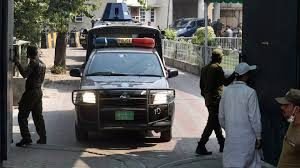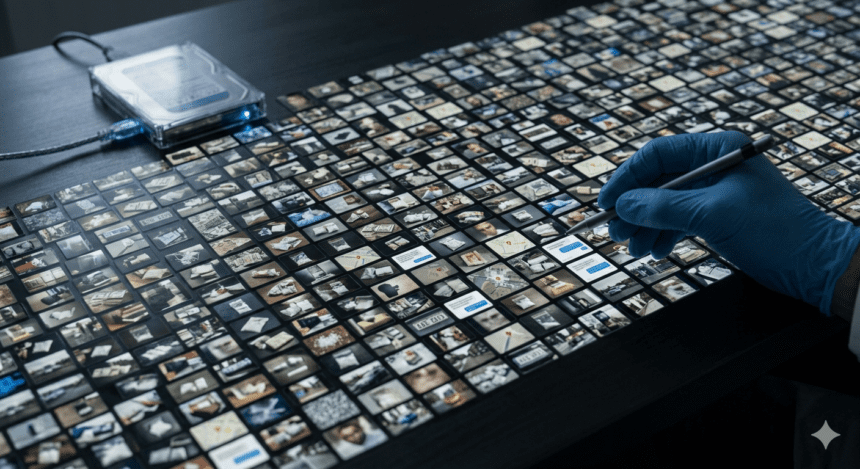
Investigators have successfully unlocked the smartphone belonging to Anmol, an alleged drug dealer, pulling over 100 gigabytes of data and 75,000 images from the device. The recovery provides a digital roadmap of the suspect’s network, potentially exposing a web of suppliers and high-profile clients that had previously remained in the shadows.
The forensic extraction process took weeks of specialized labor. Digital experts bypassed multiple layers of security to access the encrypted storage, turning a previously impenetrable device into a primary witness for the prosecution.
For the police, the sheer volume of imagery is the breakthrough. These aren’t just snapshots; they are logs. Metadata attached to the photos—timestamps, GPS coordinates, and contact lists—allows detectives to place Anmol at specific meeting points across the city. Many of the images reportedly document stash locations and hand-off procedures that were previously invisible to surveillance teams.
“This isn’t just about finding a stash of drugs,” said one investigator familiar with the operation. “It’s about mapping the entire supply chain. We have names, we have locations, and we have a timeline that spans back over a year.”
The data suggests a sophisticated operation that relied on encrypted messaging apps to coordinate deliveries. While the suspect initially refused to provide passcodes, the forensic tools utilized by the cyber-crime unit rendered his silence moot.
Defense attorneys have yet to comment on how this digital haul will impact their strategy. However, legal experts suggest the prosecution now holds enough evidence to pressure lower-level associates into flipping against the broader organization.
As the investigation moves into the analysis phase, the police are now cross-referencing the recovered contact lists against pending cases in neighboring districts. The goal is simple: use the phone to dismantle the network, not just the man who held it.