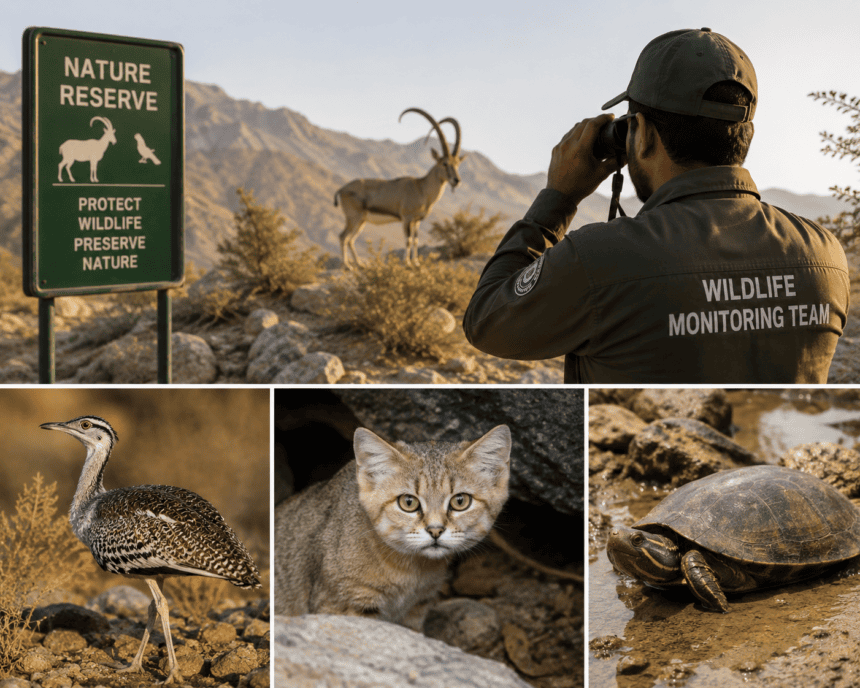
Extreme heat is pushing wildlife into the open, giving researchers a rare, if alarming, glimpse of elusive species. Across several nature reserves, animals typically nocturnal or highly reclusive are abandoning their camouflage to seek cooler microclimates near water sources and shaded monitoring stations.
The pattern is most visible in the desert-fringe reserves where temperature spikes have forced species like the sand cat and the elusive desert jerboa to shift their activity windows. Rangers report that these animals are appearing during daylight hours—a behavior rarely documented in field studies—as their natural burrows fail to provide the necessary thermal relief.
“We are seeing animals in broad daylight that we usually only catch on infrared cameras at 3 a.m.,” said Dr. Elena Vance, a lead ecologist at the Arid Lands Research Station. “It isn’t a sign of thriving populations. It’s a sign of survival stress. They are trading the safety of darkness for the risk of exposure because the heat underground has become lethal.”
Data from regional reserves shows a 40% uptick in sightings of threatened species over the last three weeks. While the increased visibility offers biologists a chance to update population counts and monitor health, the trade-off is grim. These animals are burning vital energy reserves to move between fragmented patches of shade, leaving them vulnerable to predators and exhaustion.
The heat isn’t just changing timing; it’s shrinking territory. Species that usually maintain wide roaming ranges are now clustering around the few remaining permanent water holes. This crowding increases the risk of disease transmission and triggers territorial aggression among species that typically avoid one another.
For conservationists, the phenomenon presents a logistical challenge. Staff at these sites have begun installing temporary misters and additional shade structures to mitigate the impact. However, these are stopgap measures. As heatwaves become more frequent, the very survival mechanisms that kept these species hidden for centuries are now turning into liabilities.
“We have this narrow window to collect data,” Dr. Vance said. “But every time we spot one of these rare animals in the midday sun, we’re reminded that the environment is pushing them past their breaking point.”