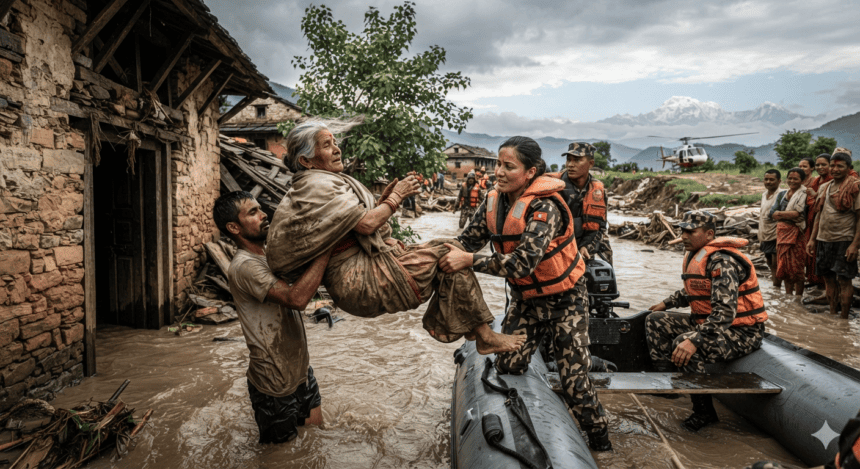
The air in Nepal’s flood-stricken lowlands is finally cooling, but for search teams, the temperature drop brings more dread than relief. As torrential monsoon rains recede, rescuers are racing against a brutal reality: the window to find survivors in the debris is closing.
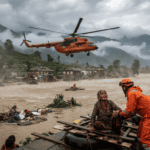
Three days of relentless downpours have turned mountain streams into death traps, washing away entire villages in the Sindhupalchok and Kavre districts. The official death toll climbed to 170 by Tuesday morning, with dozens more still missing under thick layers of riverine silt and uprooted pine trees.
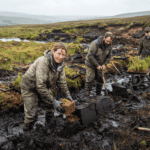
“We aren’t looking for survivors anymore; we are looking for closure,” said Arjun Karki, a local volunteer helping clear mud from a flattened primary school in Kavre. He gestured to the wreckage. “The water didn’t just flood these houses. It erased them.”
The cooling winds—once a signal of an end to the humidity—are now complicating the mission. Night temperatures in the higher elevations have plunged, threatening those trapped in pockets of air beneath the rubble. For the elderly and the injured, the cold is as lethal as the initial surge of water.
Government efforts remain bottlenecked. The Tribhuvan Highway, the vital artery connecting Kathmandu to the southern plains, is severed by at least 15 major landslides. Helicopters are grounded by thick, swirling fog, leaving remote communities to dig through the muck using nothing but shovels and bare hands.
The Home Ministry’s latest briefing offered little comfort. Spokesperson Rishi Ram Tiwari admitted that the scale of the devastation has outpaced their current cache of emergency supplies. Food, clean water, and basic medicine are not reaching the hardest-hit zones, and the government’s reliance on military-led ground teams is proving too slow for the urgency of the moment.
International aid groups are circling, but they cannot land. As the fog clings to the valley floors, the “miracle” many hoped for is becoming a grim logistical impossibility.
For the families standing on the banks of the Sunkoshi River, the cooling breeze offers no respite. They remain huddled under tarps, waiting for the sound of an engine that hasn’t arrived. Every hour the temperature drops, the hope of finding anyone alive in the sodden earth fades with it.