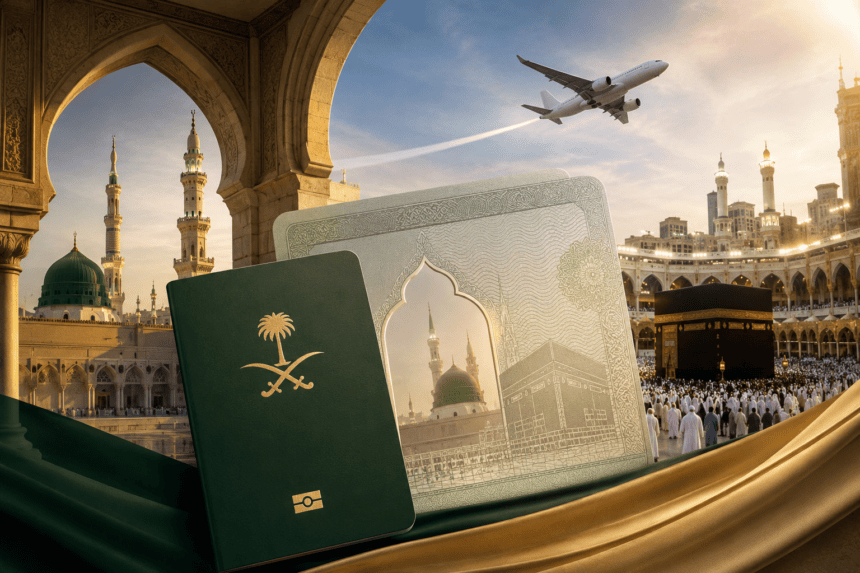
Saudi Arabia has launched a revamped electronic visa system for Umrah pilgrims, aiming to cut processing times and simplify entry for international visitors. The update comes as the Kingdom pushes to meet its Vision 2030 goal of hosting 30 million pilgrims annually.
The new portal allows applicants to secure an Umrah visa within 24 hours, a significant shift from the previous multi-day waiting periods. By integrating the visa process directly with the Nusuk platform, officials have cut out the need for third-party travel agencies in many jurisdictions, effectively lowering costs for individual travelers.
For years, the visa process remained a bottleneck. Pilgrims often navigated complex paperwork or relied on expensive intermediaries to secure entry. This move changes the calculus for those planning short-notice trips. It’s a direct attempt to normalize Umrah as a flexible travel product rather than a logistical hurdle.
“We are removing the barriers that have historically slowed down the journey to the Two Holy Mosques,” a Ministry of Hajj and Umrah spokesperson said during the announcement in Riyadh. The ministry confirmed that the e-visa is now valid for 90 days, allowing pilgrims to move freely across the Kingdom during their stay.
The shift isn’t just about speed. It’s a strategic play to decentralize the pilgrimage experience. With the new system, visitors can book their accommodation and transport alongside their visa, creating a single, integrated digital footprint for their trip.
Critics in the travel industry point out that while the digital interface is smoother, the sheer volume of applicants still poses a strain on peak-season infrastructure. During Ramadan, the influx of millions remains a logistical challenge that no software update can fully solve.
Despite these pressures, the Kingdom is doubling down on its digital-first approach. By year-end, the Ministry expects at least 80% of all Umrah visas to be processed through the new automated platform, bypassing traditional consulates entirely.
For the average pilgrim, the change means less time spent waiting for approval and more time finalizing travel arrangements. Whether this digital efficiency translates to a better experience on the ground in Makkah remains the real test for the coming season.