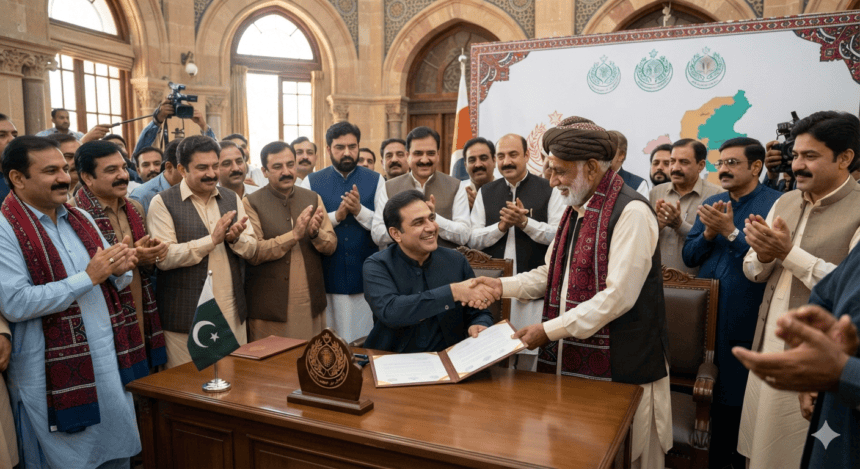
Sindh’s Local Government Minister, Nasir Hussain Shah, has signaled a shift in provincial policy, promising to grant further administrative and financial autonomy to local government institutions across the province. The move comes as the provincial government faces persistent pressure from opposition parties and municipal leaders to devolve power beyond the provincial capital.
Speaking at a briefing in Karachi, Shah confirmed the government is preparing a new framework to strengthen the hands of mayors and district chairmen. He emphasized that the goal is to improve service delivery at the grassroots level, specifically in sanitation, water supply, and urban planning.
“We are moving toward a system where local representatives have the authority to solve problems without waiting for approvals from the provincial secretariat,” Shah told reporters.
Critics have long argued that the Sindh Local Government Act remains toothless, leaving elected municipal officials with titles but little control over budgets or staffing. By promising to delegate more power, the provincial government appears to be attempting to defuse growing friction between the Pakistan Peoples Party (PPP) leadership and urban local government heads.
However, the announcement leaves several questions unanswered. Shah did not provide a specific timeline for the legislative changes, nor did he detail which specific departments would fall under the expanded municipal purview. Past promises of devolution in Sindh have frequently stalled in the provincial assembly, often due to concerns over administrative overlap and revenue collection rights.
For the residents of Karachi and other major urban centers, the announcement carries high stakes. Infrastructure decay and crumbling utility services have become defining issues in the region, with local governments often blaming provincial interference for their inability to act.
Whether this latest commitment translates into actual policy or remains a political talking point depends on the upcoming legislative session. If the government follows through, it would mark a significant change in how the province manages its urban centers — provided the provincial bureaucracy is willing to loosen its grip.