Pakistan’s healthcare experts are calling out the government’s reliance on tobacco taxes, arguing the revenue is a drop in the bucket compared to the billions spent treating smoking-related diseases. The Pakistan Chest Society (PCS) issued a sharp warning this week: the human cost of tobacco use has reached a breaking point that no amount of investment can justify.
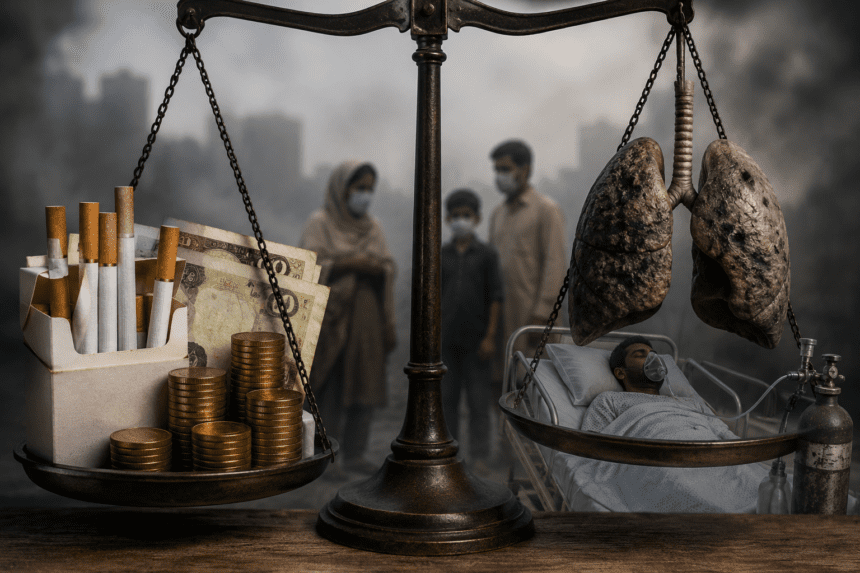
The math is grim. While the tobacco industry touts its multi-billion rupee contribution to the national exchequer, the PCS points to a staggering deficit. For every 100 rupees the state collects in tobacco tax, it spends nearly 615 rupees on healthcare costs directly linked to smoking-related illnesses.
“We are trading lives for tax rupees, and it’s a losing trade,” said a senior PCS representative. The society’s latest briefing highlights that tobacco-related diseases ranging from lung cancer to chronic respiratory failure claim over 160,000 lives in Pakistan every year. That’s more than 400 deaths every single day. The society isn’t just worried about the current death toll.
They’re looking at the next generation. Tobacco companies have pivoted toward “innovative” products like nicotine pouches and e-cigarettes, often using flavors and sleek packaging that appeal to teenagers. PCS officials say these aren’t “safer alternatives” they’re entry points into lifelong addiction. The solution, according to the doctors, isn’t complicated.
They’re demanding a massive hike in the Federal Excise Duty (FED) on cigarettes. Pakistan’s tobacco remains among the cheapest in the region, making it accessible to low-income groups and youth. “If you make it expensive, you save lives. It’s that simple,” the society stated. They’ve urged the Finance Ministry to stop listening to industry lobbyists who claim tax hikes will fuel the illicit trade.
The PCS argues that the “illicit trade” narrative is a smokescreen used to keep cigarette prices low and consumption high. The burden doesn’t just fall on the government’s healthcare budget. It hits families. Most tobacco-related deaths occur during a person’s most productive years, often leaving families without a breadwinner and pushing them deeper into poverty.
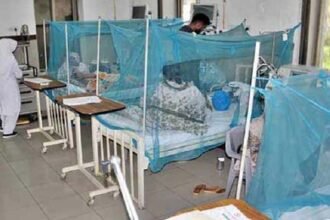
Pakistan’s hospitals are already overstretched. The PCS is clear: the country can either tax the industry properly and reduce the patient load, or continue to let the healthcare system collapse under the weight of a preventable epidemic. Profits shouldn’t be prioritized over the literal breath of the population.