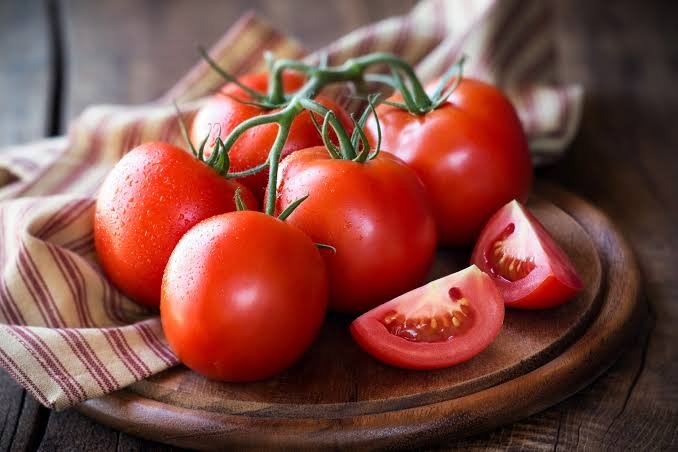
BOSTON: A naturally occurring compound found in tomatoes may help protect against fatty liver disease, according to a new preclinical study that examined how the substance affects fat accumulation and metabolism in the liver.
Researchers focused on phytoene, a colourless carotenoid precursor associated with tomatoes and other fruits and vegetables. In experiments involving mice, researchers found that animals receiving phytoene developed less severe liver fat accumulation than those exposed to the same unhealthy diet without the compound.
Scientists believe phytoene may influence metabolic pathways that determine how the liver processes and stores fat. The compound may encourage the body to handle excess fat more effectively rather than allowing it to accumulate in liver tissue.
Fatty liver disease has become increasingly common worldwide and is strongly associated with obesity, metabolic problems and unhealthy diets. Excess fat accumulation in the liver can, in some people, progress to inflammation, scarring and more serious liver disease.
However, researchers have stressed that the findings are still preclinical. The study was conducted in animals, meaning it is too early to say whether consuming tomatoes or phytoene supplements would prevent or treat fatty liver disease in humans.
Further research and human clinical trials will be needed to determine whether the compound provides similar protective effects in people.