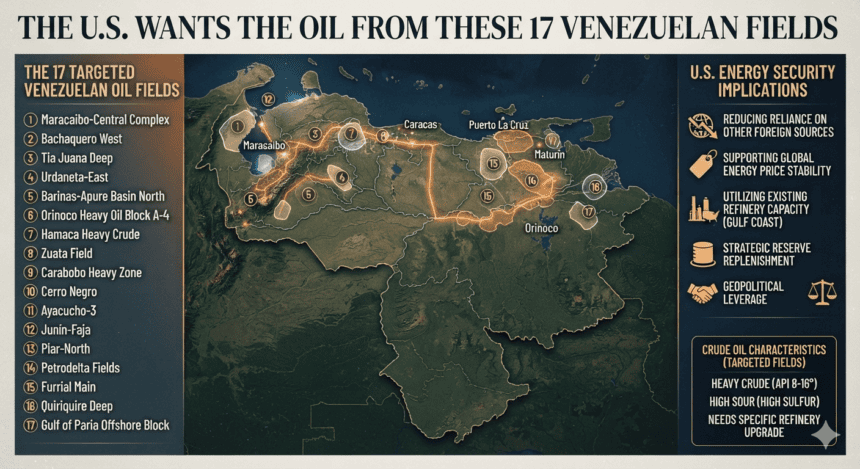
Washington is quietly mapping out a path to resume operations in 17 Venezuelan oil fields, signaling a major pivot in U.S. energy strategy. The move follows months of back-channel negotiations and a growing realization that global supply constraints require a pragmatic approach to the Maduro administration’s vast, yet neglected, reserves.
The State Department’s interest centers on specific blocks in the Orinoco Belt and Lake Maracaibo. These regions hold the heavy crude that many U.S. Gulf Coast refineries are explicitly designed to process. For years, these fields have suffered from chronic underinvestment, leaving equipment rusted and production capacity in freefall.
The strategy isn’t about immediate windfall profits. It’s about energy security.
With Middle Eastern instability threatening shipping lanes and Russian oil largely sidelined by Western sanctions, the White House is weighing the political cost of engagement against the economic reality of domestic fuel prices. A senior administration official, speaking on condition of anonymity, noted that the focus remains on “targeted authorizations” rather than a total rollback of the broader sanctions regime.
The 17 fields identified represent a sweet spot for potential joint ventures. They are assets where infrastructure remains somewhat salvageable, provided American technology and capital are allowed to re-enter. Yet, the path forward is anything but smooth. Caracas remains a pariah in Washington, and any deal involving state-run PDVSA faces fierce opposition from lawmakers who argue that easing pressure now rewards a regime accused of systemic human rights abuses.
Industry analysts suggest that even with a green light, the timeline for meaningful output is long. These fields aren’t switches that can simply be flipped back on. Years of neglect mean that bringing a single well back to commercial viability could take 18 months of intensive capital expenditure.
The administration’s internal debate pits two competing pressures against each other. One side prioritizes the democratic transition in Venezuela, demanding strict adherence to election-related benchmarks. The other side—driven by energy traders and refiners—points to the tightening global supply and the necessity of bringing reliable, Western-hemisphere barrels to market.
For now, the 17 fields remain in a state of suspended animation. Whether they become the engine of a new energy rapprochement or remain sidelined as a bargaining chip will depend on how much political capital the White House is willing to spend in a high-stakes election year.