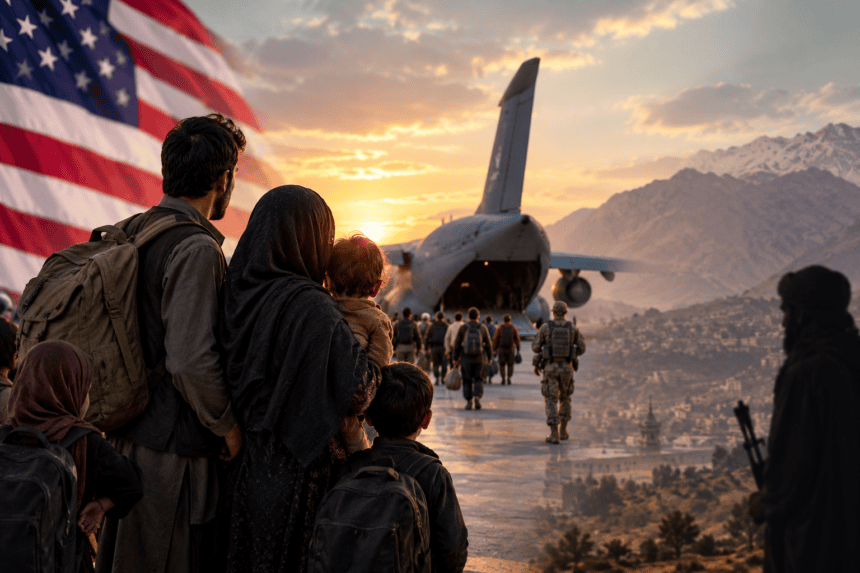
The Biden administration is moving forward with the deportation of dozens of Afghan nationals, despite internal reports and human rights warnings that those returned face a high risk of persecution under Taliban rule.
The policy shift comes as the Department of Homeland Security continues to process removal orders for individuals who arrived in the U.S. after the chaotic 2021 withdrawal but failed to meet specific asylum criteria. While these individuals do not hold Special Immigrant Visas, their return to Kabul marks a grim milestone for a government that once pledged to protect those who assisted the American mission.
Immigration attorneys representing the detainees say the government is ignoring the reality on the ground. Taliban intelligence units have systematically targeted former government employees, security personnel, and those perceived as Western collaborators. For those being put on flights, the “risk” isn’t abstract—it is a documented pattern of disappearances and extrajudicial killings.
“The administration is prioritizing border metrics over the lives of people who have nowhere else to go,” said one attorney familiar with the pending removals. “Sending them back isn’t an administrative procedure; it’s a death sentence.”
Department of Homeland Security officials maintain that these individuals underwent thorough vetting and were found ineligible for legal status. They argue that the U.S. remains committed to its broader resettlement programs, but that immigration law must be enforced consistently, even for those fleeing unstable regimes.
Human rights organizations, including Amnesty International and Human Rights Watch, have repeatedly called for a moratorium on all removals to Afghanistan. They point to the lack of a functional embassy or any diplomatic mechanism to monitor the safety of returnees. Once these individuals pass through border control in Kabul, they effectively vanish from U.S. oversight.
The administration’s stance creates a stark contradiction. While the White House continues to condemn the Taliban’s human rights record, it is simultaneously using the machinery of the state to return people to that same regime’s custody.
As the first groups prepare for departure, the legal challenges are narrowing. For the dozens currently held in detention centers across the country, the next flight out may be their last contact with the U.S. justice system.