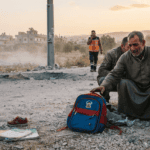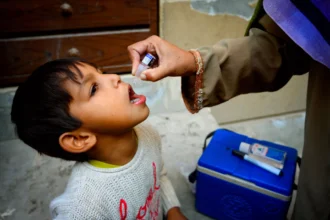
Patients across the country are bypassing traditional political channels, forming local advocacy groups to demand basic medical care. The movement, fueled by persistent medicine shortages and staff absenteeism in public clinics, is shifting from quiet frustration to organized public pressure. In Karachi, a coalition of residents has launched a digital tracking system to map clinic closures.
They aren’t waiting for the health ministry to release data; they are documenting the gaps themselves. The group’s lead organizer, Samina Khan, spent three months compiling reports from five districts. “We stopped asking for promises,” Khan said.
“We started showing them the empty shelves and the locked doors. When you put a photo of a closed emergency room on a minister’s desk, they stop talking about ‘policy’ and start talking about logistics.” The data supports the frustration.
Public health spending as a percentage of GDP remains among the lowest in the region, leaving rural facilities chronically underfunded. While government officials frequently cite budget constraints, these citizen groups are pointing to administrative waste and procurement delays as the primary culprits.
In Lahore, a similar initiative has successfully pressured local authorities to reinstate night shifts at three major community centers. The strategy was simple: residents occupied the waiting areas for 48 hours, refusing to leave until a district health officer signed a commitment to staff the facilities.
These groups aren’t just complaining. They are filling the void. In several provinces, community-run clinics are now providing basic triage services that the state has failed to deliver for years. Critics of the movement argue that decentralized healthcare could lead to inconsistent standards. Yet, for thousands of families facing a three-hour commute for a simple antibiotic prescription, the “inconsistency” is a secondary concern.
The priority is immediate access. As the movement gains traction, the state faces a choice: integrate these citizen-led efforts into the formal system or risk total loss of public trust in the primary healthcare infrastructure. For now, the groups are continuing their work, documenting every failure and forcing accountability one clinic at a time.