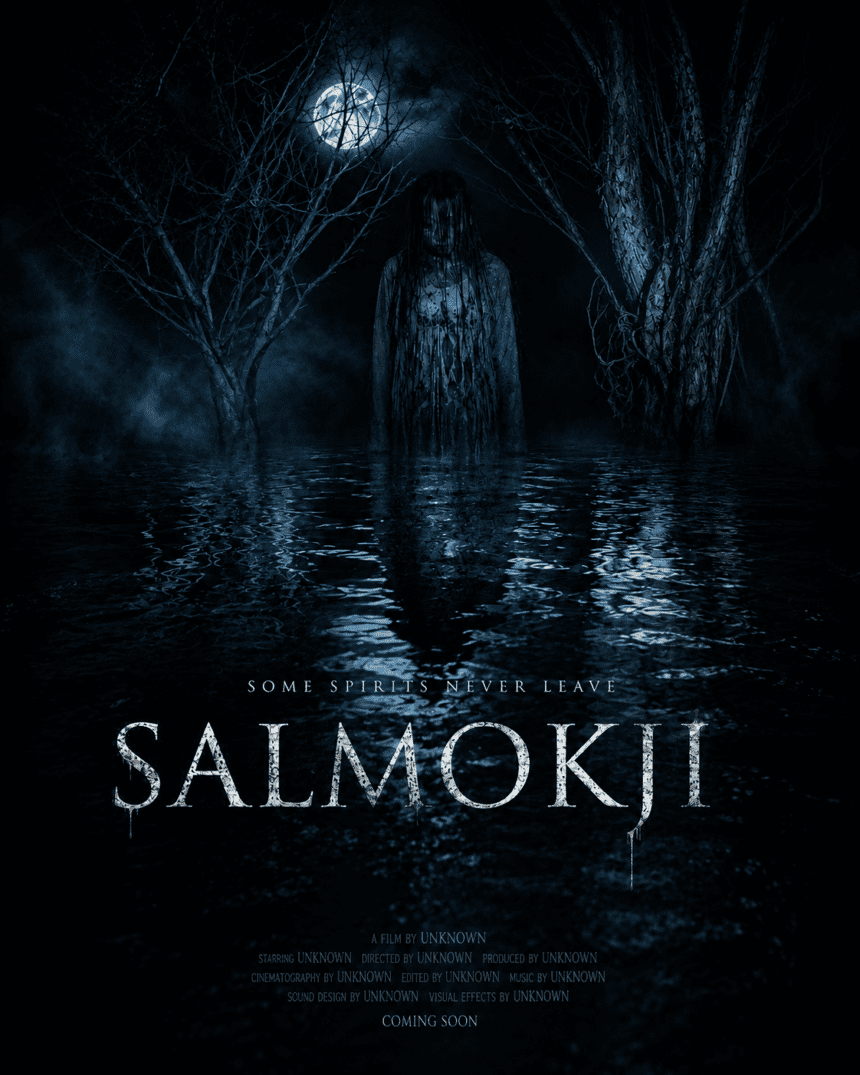
Seoul: South Korean supernatural horror film “Salmokji: Whispering Water” has rewritten the country’s horror box-office history, becoming the most-watched Korean horror movie of all time after drawing 3.17 million moviegoers.
The film crossed the milestone over the weekend, selling 90,972 tickets from Friday to Sunday, according to Korean Film Council data reported by local media. That pushed it past Kim Jee-woon’s 2003 classic “A Tale of Two Sisters,” which had held the record for more than two decades with 3.14 million admissions.
For Korean horror fans, that’s not a small thing. “A Tale of Two Sisters” wasn’t just a commercial hit; it became one of the defining titles of modern Korean horror. So for “Salmokji” to overtake it in 2026 says plenty about the film’s pull — and about the renewed appetite for Korean folk-horror stories on the big screen.
Directed by Lee Sang-min and starring Kim Hye-yoon, “Salmokji: Whispering Water” opened in South Korea on April 8, 2026. Its story follows a film crew that travels to Salmokji Reservoir in Yesan County to reshoot road-view footage after something strange appears in the background. What starts as an ordinary production job slowly turns into a confrontation with rumors, local fear and something far less explainable.
The movie had already shown strong legs before reaching the record. In late April, it topped the weekend box office with 343,463 admissions over one Friday-to-Sunday frame, lifting its total at the time to 1.98 million viewers. That kind of hold is unusual for horror, a genre that often opens big and fades quickly.
Its rise also comes during a noticeable revival of Korean folk horror, where modern settings are mixed with old legends, haunted places and regional myths. The Korea Times recently described “Salmokji” as part of that broader wave, highlighting how the film taps into local ghost-story culture rather than relying only on jump scares.
Industry watchers will now be looking at how far the film can go from here. At 3.17 million admissions, “Salmokji” has already secured its place in Korean cinema history. The bigger question is whether its success will encourage studios to take more chances on homegrown horror — especially the slower, moodier kind rooted in local folklore.