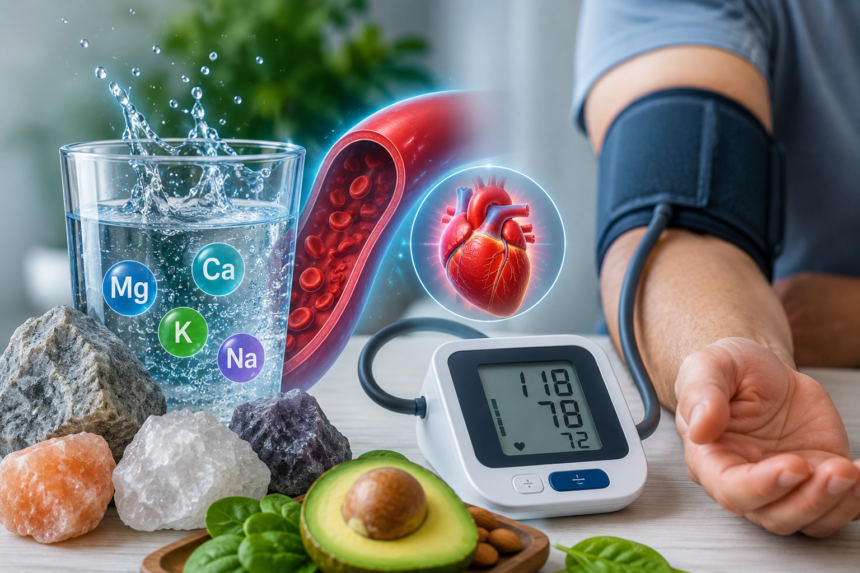
Magnesium and calcium in your tap water do more than just change the taste. Emerging clinical data suggests that the mineral content in drinking water plays a measurable role in regulating blood pressure, offering a silent, natural assist to cardiovascular health. Researchers have long focused on sodium intake as the primary dietary culprit for hypertension.
However, the mineral composition of water specifically water hardness acts as a counterweight. Hard water, rich in magnesium and calcium, appears to exert a protective effect on arterial walls, helping to keep blood pressure within a healthy range. “We aren’t talking about a cure-all, but the mineral profile of your daily water intake is a factor that often goes overlooked,” said Dr. Elena Rossi, a cardiovascular researcher who has studied regional heart health disparities.
“In areas where the water is naturally ‘harder,’ we consistently see a slightly lower incidence of hypertension-related complications.” The mechanism is straightforward. Magnesium acts as a natural calcium channel blocker. It helps blood vessels relax, improving blood flow and reducing the resistance the heart faces when pumping. Calcium, while often associated with bone health, is equally vital for maintaining the structural integrity and flexibility of those same vessels. For those relying on reverse osmosis (RO) or heavily distilled water, the news is a warning.
These filtration methods strip away almost all dissolved solids, including the beneficial minerals that might otherwise help regulate blood pressure. If your home system removes these minerals, you aren’t just drinking “pure” water you’re drinking water that lacks the essential electrolytes your heart uses to function efficiently.
Some public health experts suggest that for individuals struggling with borderline high blood pressure, the solution isn’t just cutting salt it’s checking what’s in the glass. Simple mineral-balancing filters or adding a pinch of high-quality sea salt to purified water can restore the electrolyte balance that modern filtration systems often strip away.
The medical community remains cautious about prescribing tap water as a treatment, but the evidence is clear: the mineral content of your water is a variable you can control. Before reaching for another supplement, check your local water report. The answer to better blood pressure might already be flowing from your kitchen tap.