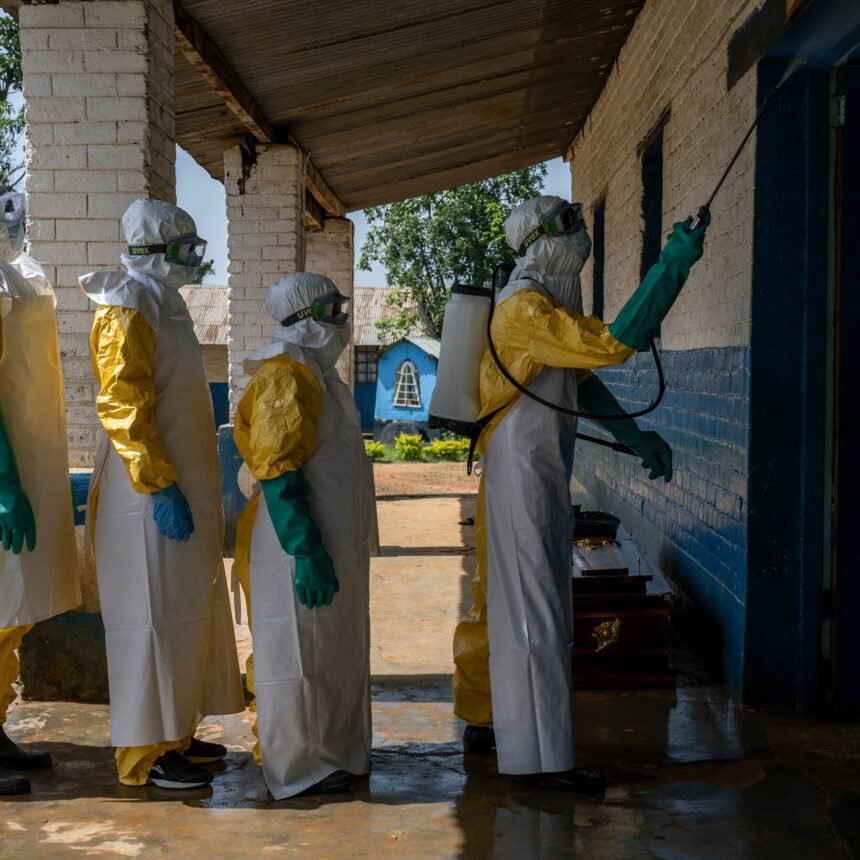
Paris, France — French health authorities have confirmed the country’s first reported case of Ebola, prompting an immediate public health response aimed at preventing the spread of the highly infectious disease. Officials stated that the patient is currently receiving specialized medical care and has been placed in isolation as a precautionary measure.
According to health authorities, the case was identified through routine disease surveillance and testing procedures. Medical teams quickly initiated contact tracing efforts to identify individuals who may have been exposed to the patient and to monitor them for any signs of illness.
The French Ministry of Health emphasized that strict containment protocols are being followed in accordance with international public health guidelines. Officials reassured the public that the risk of widespread transmission remains low and that healthcare facilities are well-equipped to manage such cases.
Ebola is a severe viral disease that can cause symptoms including fever, fatigue, muscle pain, vomiting, and, in some cases, internal and external bleeding. The virus spreads through direct contact with the bodily fluids of an infected person and is not transmitted through the air.
Health experts noted that early detection and rapid isolation are critical in preventing outbreaks. France has previously conducted preparedness exercises and developed response plans to handle potential cases of highly infectious diseases.
The confirmation of the case has led authorities to increase monitoring measures at healthcare facilities and strengthen coordination with international health organizations. Public health officials are also working to ensure that accurate information is provided to the public in order to prevent unnecessary panic and misinformation.
Government representatives stressed that there is currently no indication of a broader outbreak within France. They urged citizens to follow official health guidance and rely on verified information from public health authorities.
The development has attracted international attention, as countries around the world continue to maintain surveillance systems designed to detect and respond to emerging infectious diseases quickly and effectively.
As investigations continue, health authorities are expected to provide further updates regarding the patient’s condition, the source of the infection, and the progress of contact tracing efforts. For now, officials remain focused on containing the case and protecting public health.