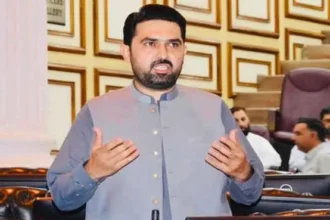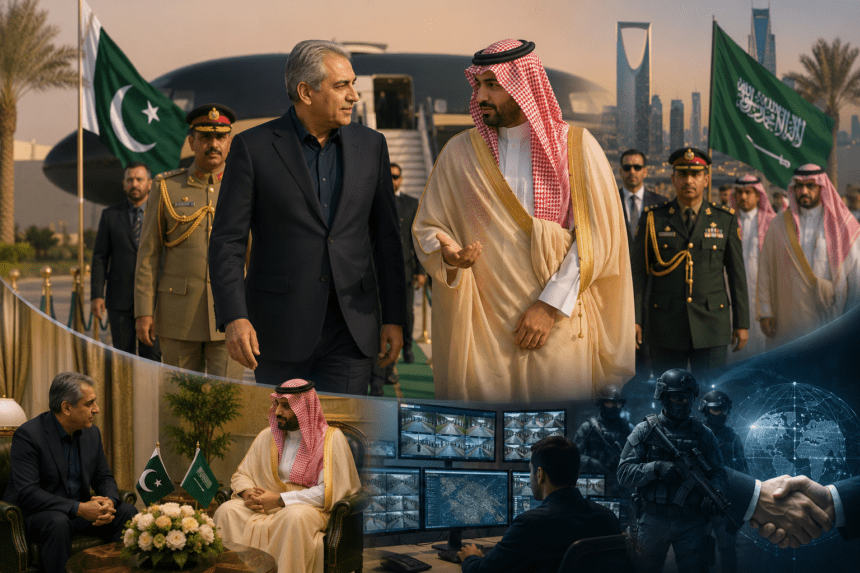
Interior Minister Mohsin Naqvi arrived in Riyadh today, marking a calculated push to deepen security ties between Pakistan and Saudi Arabia. The visit comes as both nations look to streamline intelligence sharing and border management protocols amid shifting regional security dynamics.
Naqvi’s delegation, which includes senior officials from the Ministry of Interior and the Federal Investigation Agency (FIA), is scheduled to hold a series of high-level meetings with his Saudi counterpart, Prince Abdulaziz bin Saud bin Naif. The agenda is narrow but heavy: counter-terrorism cooperation, the repatriation of Pakistani prisoners, and the formalization of data exchange mechanisms to track transnational crime.
The timing is telling. Saudi Arabia is currently recalibrating its regional security architecture, and Islamabad remains a primary partner in its long-term stability goals. For Pakistan, the visit serves a domestic purpose as well. Naqvi is under pressure to improve the efficiency of the immigration and passport systems, and he is expected to press Saudi officials on easing visa processing for Pakistani labor, which remains the country’s largest source of foreign remittances.
“We are looking at a framework that goes beyond standard diplomatic pleasantries,” a source close to the delegation said. “The focus is on actionable intelligence and technical support for law enforcement agencies.”
The two ministers are expected to sign a memorandum of understanding (MoU) focused on digital security and the exchange of criminal records. If implemented, this would mark a transition from informal cooperation to a structured, institutional relationship between the two interior ministries.
While the optics of the visit highlight strong bilateral ties, the real work lies in the technical sessions. Naqvi intends to finalize agreements that could expedite the return of Pakistani detainees who have completed their sentences—a persistent friction point in consular relations.
The trip is slated to conclude late Wednesday. Whether these high-level discussions translate into immediate policy changes for the millions of Pakistanis living and working in the Kingdom remains the true measure of the minister’s mission.