Your digestive system is home to trillions of microorganisms that play an important role in digestion, immunity, and overall health. This community of bacteria, fungi, and other microbes is known as the gut microbiome.
One way to help support a healthy gut is by including fermented foods in a balanced diet. These foods have been enjoyed for centuries in cultures around the world and are gaining renewed attention because of their potential health benefits.
But what exactly are fermented foods, and why are they considered good for your gut?
What Are Fermented Foods?
Fermentation is a natural process in which microorganisms such as bacteria or yeast break down sugars and starches in food.
This process changes the flavor, texture, and nutritional characteristics of food.
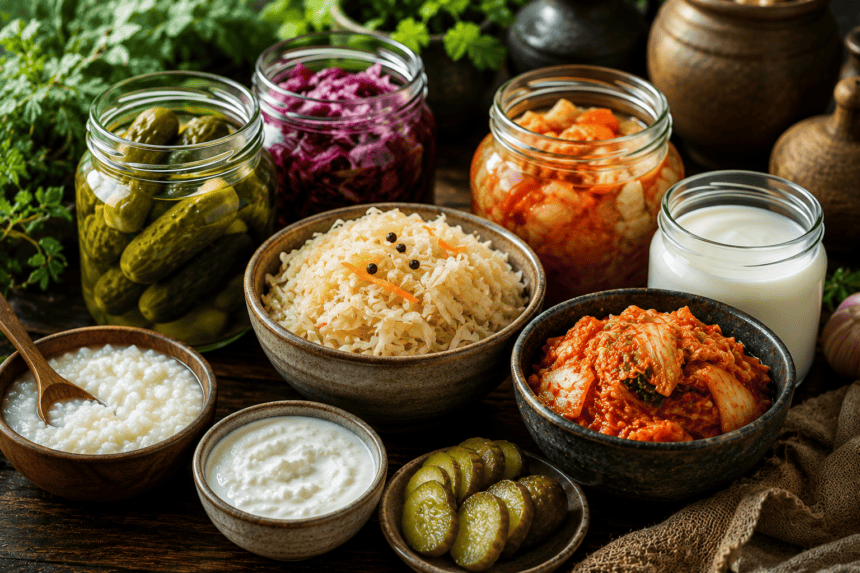
Common fermented foods include:
- Yogurt
- Kefir
- Kimchi
- Sauerkraut
- Miso
- Tempeh
- Naturally fermented pickles
Not every pickled food is fermented, so it’s important to read labels carefully.
What Is the Gut Microbiome?
Your gut microbiome contains trillions of microorganisms that help perform essential functions, including:
- Digesting certain foods
- Producing some vitamins
- Supporting the immune system
- Helping maintain the protective lining of the gut
A diverse and balanced gut microbiome is generally associated with better digestive health.
How Fermented Foods May Help
1. They Can Add Beneficial Microorganisms
Some fermented foods contain live microorganisms that may contribute to the diversity of the gut microbiome.
However, not all fermented foods contain live cultures because some are heated during processing.
Look for products labeled with “live and active cultures” when appropriate.
2. They Support Digestion
Fermentation partially breaks down certain food components before you eat them.
This process may make some fermented foods easier to digest for certain people.
For example, many people who have difficulty digesting milk find yogurt easier to tolerate than regular milk because of the fermentation process.
3. They May Support the Immune System
A large portion of the immune system is closely linked with the digestive tract.
While fermented foods are not a cure or prevention for illness, maintaining a healthy gut microbiome is one factor that supports normal immune function.
4. They Add Variety to Your Diet
Eating a wide variety of nutritious foods helps support a healthy gut microbiome.
Fermented foods can be one part of that variety alongside fruits, vegetables, whole grains, legumes, nuts, and seeds.
Fermented Foods Are Not Magic Foods
Although fermented foods are healthy additions to many diets, they are not miracle cures.
Good gut health depends on multiple lifestyle factors, including:
- Eating enough fiber
- Staying hydrated
- Exercising regularly
- Getting quality sleep
- Managing stress
- Limiting highly processed foods
Fermented foods work best as part of an overall healthy eating pattern.
Should Everyone Eat Fermented Foods?
Most healthy people can safely enjoy fermented foods in moderation.
However, some fermented foods are high in sodium, so portion size matters.
People with certain medical conditions or weakened immune systems should seek medical advice before making major dietary changes.
Easy Ways to Add Fermented Foods to Your Diet
You don’t have to completely change your eating habits.
Try:
- A bowl of yogurt with fruit at breakfast
- Kefir as a snack
- A small serving of kimchi with lunch
- Miso soup with dinner
- Naturally fermented vegetables as a side dish
Adding fermented foods gradually may be more comfortable for people who are not used to eating them.
The Bottom Line
Fermented foods have earned their reputation as gut-friendly foods because they may support a healthy gut microbiome and digestive health. While they are not a miracle solution, they can be a valuable part of a balanced, nutrient-rich diet.
Combined with fiber-rich foods, regular exercise, adequate sleep, and stress management, fermented foods can help support a healthier digestive system and overall well-being.
A healthy gut starts with healthy daily habits—and fermented foods can be one delicious piece of the puzzle.