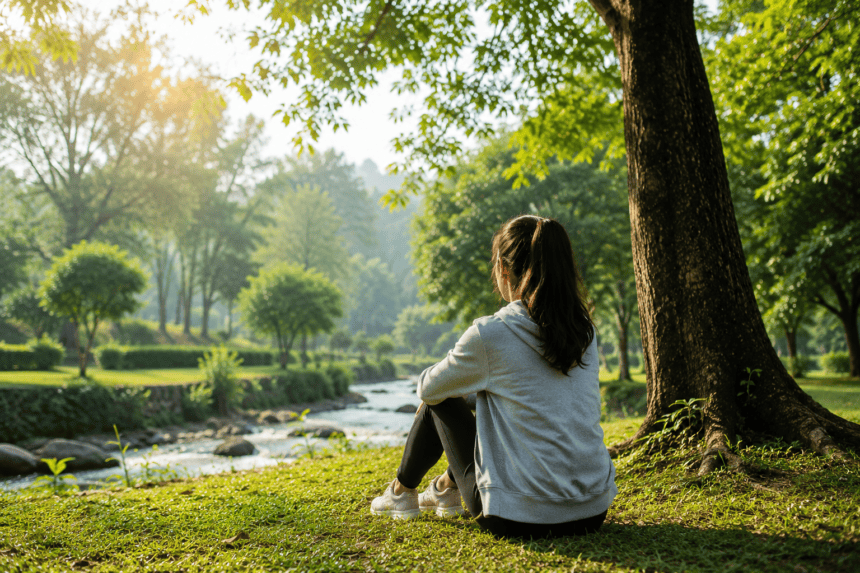
Modern life often keeps people indoors for long periods. Students may spend hours in classrooms, studying, using computers, or scrolling through their phones. While technology and indoor activities are an important part of daily life, regularly spending time outdoors can be a simple way to support physical and mental well-being.
Fresh air, natural surroundings, daylight, and gentle outdoor activity can help people feel refreshed and relaxed. Even a short walk in a park or a few minutes sitting outside can provide a welcome break from a busy routine.
1. Nature Can Help Reduce Everyday Stress
Spending time around trees, plants, water, and open spaces can create a calming environment. A quiet walk through a park or sitting under a tree may help you step away from academic, work, or personal pressures.
Nature does not eliminate stress, but taking regular breaks outdoors can give the mind an opportunity to slow down and recover from constant stimulation.
2. Fresh Air Can Make Outdoor Breaks Feel Refreshing
Being outdoors can feel refreshing, particularly after spending several hours in a closed room. Opening a window or taking a short walk outside can provide a change of environment.
However, the quality of outdoor air matters. On days when air pollution, smoke, or extreme weather is present, it may be better to stay indoors or choose a cleaner outdoor location.
3. Outdoor Time Can Support Physical Activity
One of the easiest ways to combine nature with health is through movement. Walking, cycling, jogging, hiking, or playing outdoor sports can help people stay physically active.
You do not necessarily need a formal workout. A brisk walk around a neighborhood or park can turn time outdoors into an opportunity for physical activity.
4. Daylight Supports a Healthy Routine
Natural daylight helps regulate the body’s internal clock, which influences sleep and wakefulness. Getting daylight during the day can be particularly useful for people who spend most of their time indoors.
A morning walk or simply spending some time outside during daylight hours can help create a healthier daily rhythm.
5. Nature May Improve Mood
Natural environments can provide a break from crowded spaces, screens, noise, and daily responsibilities. Many people find that spending time outdoors leaves them feeling calmer and more positive.
Activities such as gardening, walking among trees, sitting beside water, or simply enjoying a sunny outdoor space can become simple ways to build moments of relaxation into the day.
6. Outdoor Spaces Can Help With Mental Breaks
Studying or working continuously can make it difficult to maintain concentration. A short outdoor break can provide a change of scenery and allow you to step away from a demanding task.
For students, even a brief walk between study sessions can be a useful opportunity to relax before returning to books or assignments.
7. Nature Can Encourage Mindfulness
Outdoor environments offer many opportunities to focus on the present moment. Instead of checking your phone while walking, pay attention to the sounds of birds, the movement of leaves, the feeling of the breeze, or the appearance of the sky.
This simple practice can help you become more aware of your surroundings and turn an ordinary walk into a relaxing experience.
8. Spending Time Outdoors Can Reduce Screen Dependence
Phones, computers, tablets, and televisions can occupy a large part of modern life. Spending time outdoors provides an opportunity to take a break from screens.
Try leaving your phone in your bag during a short walk or sitting outside without using a device. Even small periods of screen-free time can make outdoor activities feel more restorative.
9. Social Activities Can Be Combined With Nature
Outdoor time does not have to be a solitary activity. Walking with friends, having a picnic, playing a sport, or visiting a park with family can combine physical activity, social connection, and time in nature.
For students, an outdoor study break with classmates can also provide a refreshing alternative to spending the entire day indoors.
10. Start With Small Changes
You do not need to spend hours in a forest or travel to a distant destination to benefit from outdoor time. Start with simple activities that fit your schedule.
You could:
- Take a 10–20 minute walk
- Sit outside during a study break
- Eat lunch in a green space
- Walk to nearby destinations
- Spend time gardening
- Visit a local park
- Exercise outdoors
- Watch the sunrise or sunset
- Take a screen-free outdoor break
The most important thing is to make outdoor time a regular part of your routine.
Be Smart About Outdoor Conditions
Fresh air is not always healthy if outdoor pollution levels are high. People living in cities should be aware of air-quality conditions, particularly during periods of heavy pollution, dust, smoke, or extreme weather.
Choose cleaner locations when possible and avoid strenuous outdoor exercise when air quality is poor. During very hot weather, choose cooler times of day, stay hydrated, and protect yourself from excessive heat and sunlight.
Final Thoughts
Nature and fresh air can provide a simple and accessible way to support overall well-being. Spending time outdoors may help people relax, stay active, get daylight, take breaks from screens, and reconnect with their surroundings.
You do not need a complicated wellness routine. A short daily walk, time in a garden, or a few peaceful minutes under a tree can be a meaningful addition to a healthy lifestyle.
Small moments outdoors can add up. By making nature a regular part of your routine, you can create more opportunities for movement, relaxation, and mental refreshment.