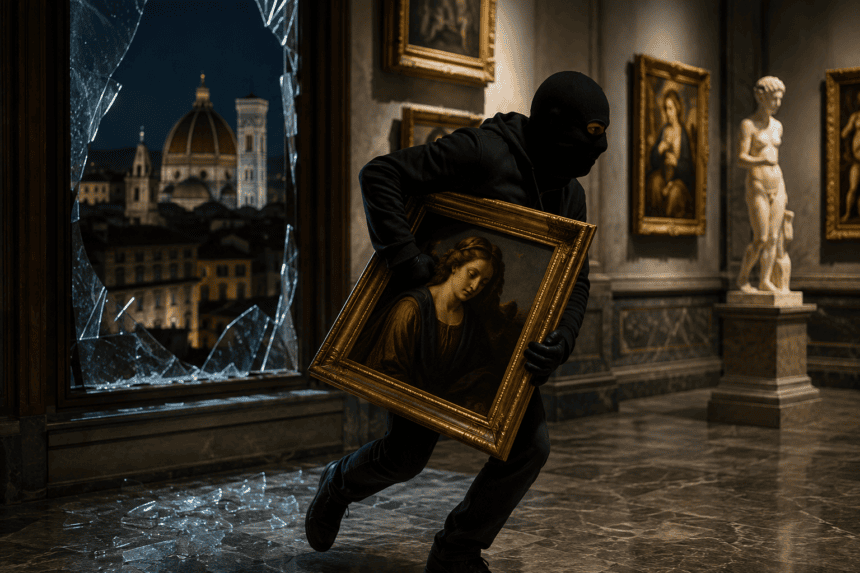
The heist took less than ten minutes. Thieves broke into the Museo Civico di Castelvecchio in Verona, neutralizing the alarm system before making off with 17 masterworks valued at roughly €9 million.
The haul includes paintings by Peter Paul Rubens, Tintoretto, and Pisanello. For the museum, the loss isn’t just financial; it’s a gutting of their Renaissance collection. The thieves didn’t just grab what was closest to the door. They knew the layout, the blind spots in the security grid, and exactly which frames held the most value.
Police believe the operation was commissioned. These aren’t pieces you can sell on the open market or list on an auction block. They are too famous, too documented. Investigators suspect the works were stolen for a private collector or to be held for ransom, a common tactic in high-end art crime where the thieves eventually negotiate a payout from insurance companies or the state.
The security breach is the most damning part of the story. The museum had recently upgraded its surveillance, yet the thieves managed to disable the sensors and slip past the perimeter during a shift change. Local officials are now questioning how a facility housing millions of euros in cultural heritage could be left so vulnerable to a coordinated strike.
“This was a professional job, executed by people who had studied every inch of this building,” said a lead investigator familiar with the case.
Verona’s mayor has called the event a “wound to the city’s heart,” but sentiment won’t bring the canvases back. As Interpol alerts go out to border crossings and private galleries across Europe, the reality is stark: once these pieces enter the black market, they often disappear into private vaults for decades.
For now, the frames hang empty on the walls of the Castelvecchio, serving as a silent reminder of how easily history can be stripped away when the locks aren’t as tight as the reputations they protect.