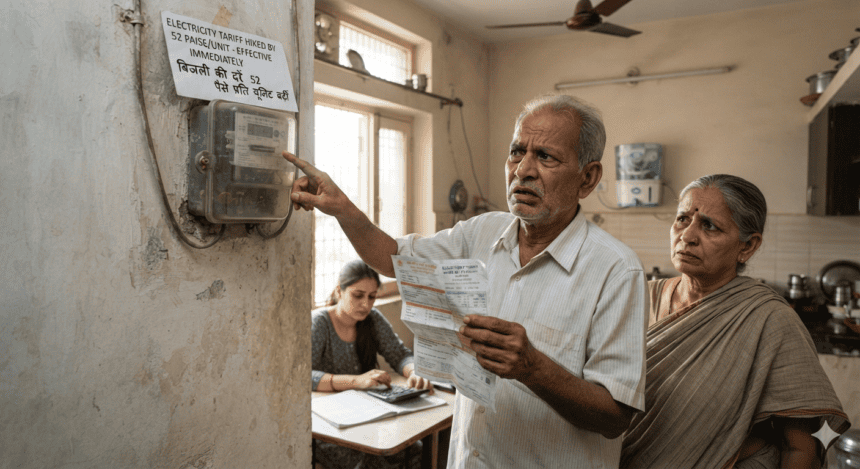
Consumers will see a slight uptick in their monthly electricity bills starting next month. The National Electric Power Regulatory Authority (NEPRA) confirmed the tariff increase of 52 paisas per unit, a move intended to recover costs associated with monthly fuel price adjustments.
The hike stems from the difference between the projected fuel costs and the actual expenses incurred by power distribution companies during the previous billing cycle. While the adjustment appears incremental on a per-unit basis, it adds cumulative pressure on households already struggling with high utility costs.
This specific increase is categorized under the fuel charge adjustment (FCA) mechanism. It reflects the volatility in global fuel prices and the operational inefficiencies within the national grid. For a typical household consuming 200 units, this translates to an additional Rs104 on their monthly statement. While the amount seems manageable in isolation, it arrives alongside persistent inflation that has already eroded the purchasing power of the middle class.
Power sector analysts point out that these monthly adjustments have become a routine burden. Rather than addressing the systemic issues—such as line losses, theft, and expensive capacity payments to independent power producers—the government continues to pass the financial burden directly to the end-user.
The finance ministry maintains that these adjustments are necessary to ensure the liquidity of distribution companies and prevent further circular debt accumulation. However, the recurring nature of these hikes leaves little room for industrial growth, as higher electricity rates translate directly into more expensive goods and services.
Opposition leaders have already criticized the move, calling it a “hidden tax” that ignores the economic realities of the common citizen. Despite the pushback, the notification is set to take effect immediately, and the increase will be reflected in the upcoming billing cycle for all distribution companies across the country.
For now, the government holds the line on these adjustments, but as the gap between production costs and consumer capacity widens, the pressure to reform the entire energy sector is becoming impossible to ignore.