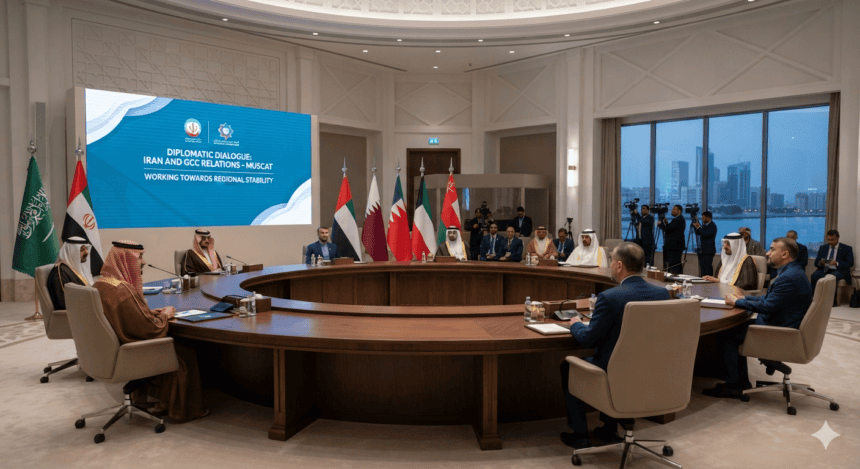
Tehran’s top diplomat is heading to the Gulf this week. The mission: prevent a widening war. Iranian Foreign Minister Abbas Araghchi’s regional tour comes as Israel prepares its response to Iran’s recent ballistic missile barrage, a move that has put the entire Middle East on edge.
The meetings in Saudi Arabia and Qatar aren’t just diplomatic courtesy. They are a high-stakes attempt to keep regional neighbors from being drawn into a direct conflict between Tehran and Tel Aviv. Saudi officials, who only recently restored ties with Iran, are now caught in the middle of a delicate balancing act. They want to avoid hosting U.S. military assets that could be targeted if the fighting spirals, yet they remain deeply skeptical of Tehran’s regional proxy network.
“We are in a zone of extreme volatility,” a senior analyst in Riyadh noted. “The Iranians are trying to gauge how much cover they have from their neighbors if things go south.”
Araghchi’s schedule follows a string of urgent back-channel communications. Last week, Saudi Crown Prince Mohammed bin Salman and the Iranian foreign minister held a rare, unscheduled phone call. The focus was simple: regional stability. But stability is hard to guarantee when both sides are watching the skies for the next wave of strikes.
The regional stakes are economic as much as they are military. A full-scale war threatens the Strait of Hormuz, the world’s most critical oil chokepoint. If the conflict disrupts tanker traffic, global energy prices will spike within hours. Gulf states are acutely aware that their own infrastructure—desalination plants, oil terminals, and airports—would be the first casualties of a broader regional conflagration.
Tehran has signaled that it will respond to any Israeli attack with “unconventional” force, a vague threat that has kept regional capitals awake. While Iran maintains it doesn’t want a full-blown war, its actions—and the actions of the militias it backs in Lebanon, Yemen, and Iraq—suggest a different reality.
For now, the Gulf Arab states are playing the role of the reluctant mediator. They are lobbying Washington to restrain Israel while simultaneously pressuring Tehran to dial back the rhetoric.
Whether these meetings yield actual containment or just more empty communiqués remains the question. As Araghchi lands in the Gulf, the region is betting on the latter.