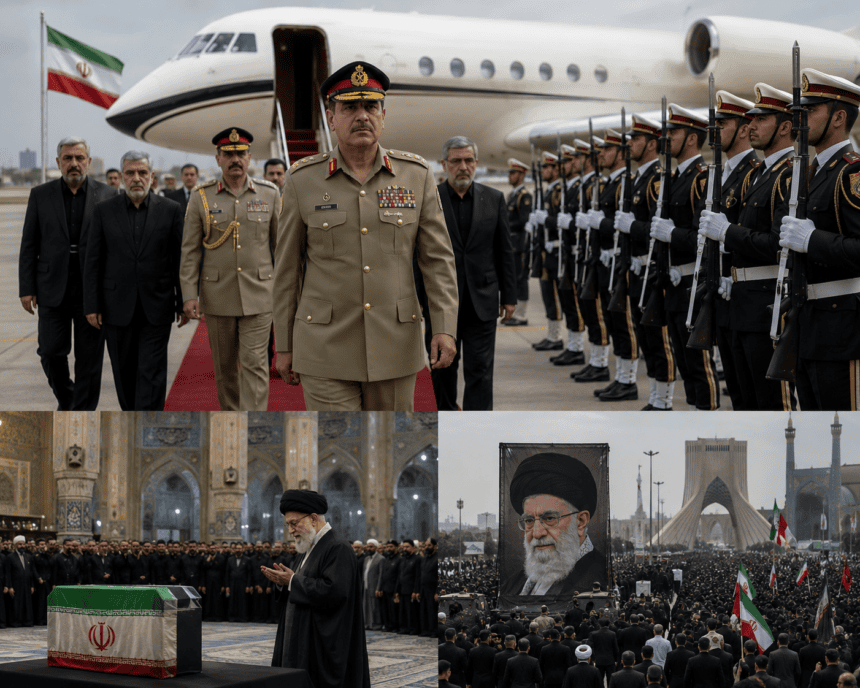
TEHRAN — Pakistan’s Chief of Army Staff, General Asim Munir, touched down in Tehran early today to represent Pakistan at the state funeral of Iran’s Supreme Leader, Ayatollah Ali Khamenei.
The visit, confirmed by military sources in Rawalpindi, signals the gravity of the diplomatic vacuum left by the Supreme Leader’s passing. Asim Munir is scheduled to meet with interim leadership and members of the Islamic Revolutionary Guard Corps (IRGC) on the sidelines of the funeral proceedings.
The stakes for Pakistan are high. Tehran has been a critical, if sometimes complicated, partner for Islamabad regarding border security along the Balochistan frontier and regional energy cooperation. With Khamenei gone, the power dynamics within the Iranian state remain fluid. General Munir’s presence is a calculated move to ensure that the security relationship remains stable during this period of transition.
Diplomatic observers point to the timing of the visit as a clear message. While civilian leadership in Islamabad has issued standard condolences, the arrival of the army chief himself underscores the military-to-military channel that often defines the most functional aspects of the two countries’ relationship.
The funeral draws leaders from across the Middle East and Central Asia, many of whom are navigating their own anxieties about a post-Khamenei Iran. For Pakistan, the primary concern is the potential for increased border volatility or a shift in Iran’s stance on regional proxy conflicts that frequently spill over into Pakistani territory.
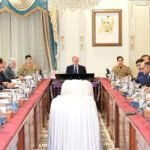
Before departing, the General held a series of closed-door briefings with his top commanders. Details of those meetings remain classified, though sources suggest the focus was on maintaining “operational readiness” along the western border during the mourning period in Iran.
As Tehran prepares for the formal burial, the streets are filled with security personnel. The transition of power—and the future direction of Iran’s foreign policy—now rests on the shoulders of the Assembly of Experts.
For now, Pakistan’s top military commander is on the ground to ensure that when the dust settles in Tehran, Islamabad’s strategic interests remain firmly on the table.