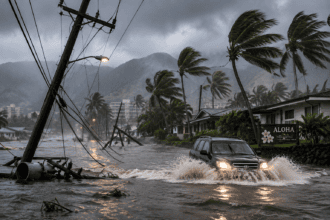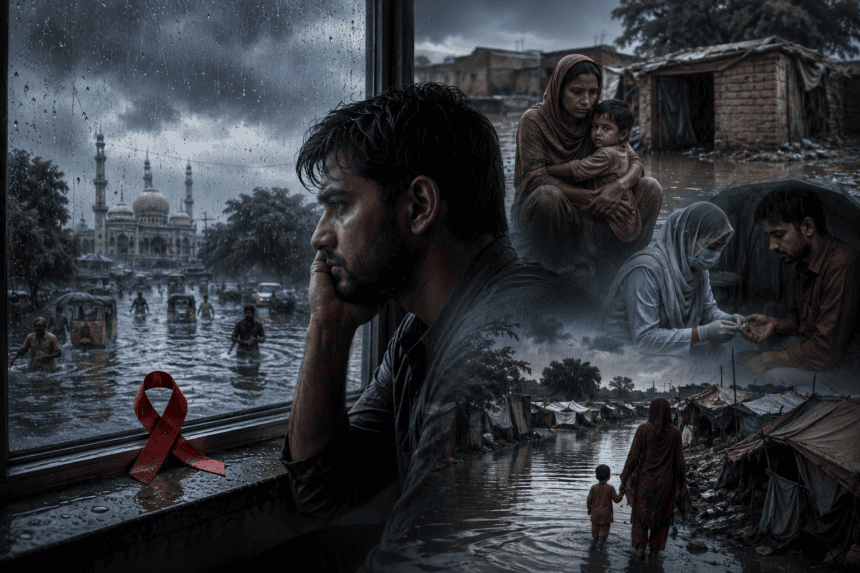
The first monsoon clouds are gathering over Pakistan, but for thousands living with HIV, the rain brings more than just a seasonal shift. It brings the looming threat of supply chain breakdowns and flooded transit routes that could cut them off from life-saving antiretroviral therapy (ART).
Last year’s catastrophic floods decimated infrastructure across Sindh and Punjab, leaving clinics in ruins and patients stranded for months. Now, with the meteorological department forecasting above-average rainfall, the fear isn’t just about the weather—it’s about the medicine.
“We are still repairing the damage from two years ago,” said a senior official at a provincial AIDS control program, speaking on condition of anonymity. “If a major road washes out, that’s not just a logistical hurdle. That’s a patient missing their dose. It’s a health crisis in the making.”
The stakes are immediate. ART requires strict adherence; interrupted treatment leads to viral resistance, making the virus significantly harder to manage. In remote districts of Sindh, where HIV prevalence is disproportionately high, the supply chain is notoriously brittle. A single week of blocked roads can leave rural clinics empty.
Health advocates are pushing for a decentralized distribution model. Instead of relying on a few central hubs that become inaccessible during heavy rains, they want to see three-month supplies pre-positioned in high-risk zones.
The government has promised “contingency stocks” at district levels, yet frontline workers remain skeptical. Funding delays and bureaucratic red tape have historically slowed the deployment of these emergency kits.
For a patient in a village outside Larkana, the math is simple. If the bus stops running and the clinic closes, the pills stop coming.
The monsoon is coming. For the country’s most vulnerable, the question isn’t whether it will rain—it’s whether the system will hold long enough to keep them alive.