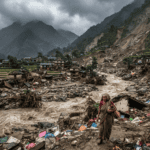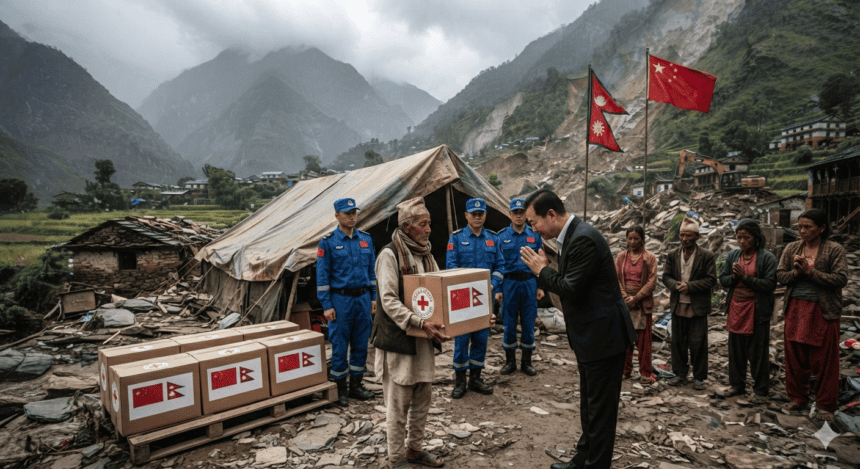
Beijing offered formal condolences to Kathmandu this week following the devastating floods and landslides that crippled large swaths of Nepal. Yet, the gesture carried a sharp subtext: China’s state-backed media and diplomatic channels were quick to remind the world that the disaster’s origin point—and the resulting humanitarian crisis—rested squarely within Nepal’s borders.
The death toll continues to climb as recovery crews navigate debris-choked mountain passes. While Beijing’s official statement expressed “deep sympathy” for the victims, the narrative coming out of Chinese state outlets has focused heavily on the structural failures of Nepal’s local infrastructure.
The messaging is tactical. By emphasizing that the disaster began in Nepal, Beijing is insulating its own border regions from domestic criticism regarding the spillover of environmental catastrophes. This, observers note, is a calculated attempt to maintain the “good neighbor” image while simultaneously distancing itself from the logistical failures that exacerbated the tragedy on the ground.
“China is balancing two competing needs,” says a regional security analyst familiar with Himalayan border politics. “They need to look like a supportive partner to keep Nepal within their sphere of influence, but they cannot afford to have their own public questioning why the border defenses—often touted as high-tech and robust—were caught off guard.”
The irony is not lost on Kathmandu. Nepal’s government, already struggling to manage a disaster that has left hundreds dead and thousands displaced, now finds itself defending its internal management to a neighbor that holds significant leverage over its economy.
The disaster has laid bare the fragility of the trans-Himalayan infrastructure projects that both nations have championed for years. What was once framed as a “golden age” of connectivity is now being scrutinized for its lack of environmental safeguards.
As search operations transition into long-term recovery, the diplomatic strain is palpable. Beijing’s “sympathy” has come with a caveat: a demand for better management of the border zones. For a country currently burying its dead, the message from the north is clear—assistance comes, but it arrives with strings attached.