KARACHI — Jamaat-e-Islami (JI) Emir Hafiz Naeemur Rehman has launched a scathing critique of the federal government, labeling its current expenditure patterns as a direct assault on the livelihoods of ordinary citizens.
Speaking at a party gathering in Karachi, the JI chief argued that the state’s fiscal policy is built on the backs of the poor. He pointed to a widening gap between the government’s operational costs—fueled by what he termed “exorbitant and unnecessary” spending—and the crushing tax burden placed on the salaried class and industrial sector.
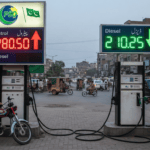
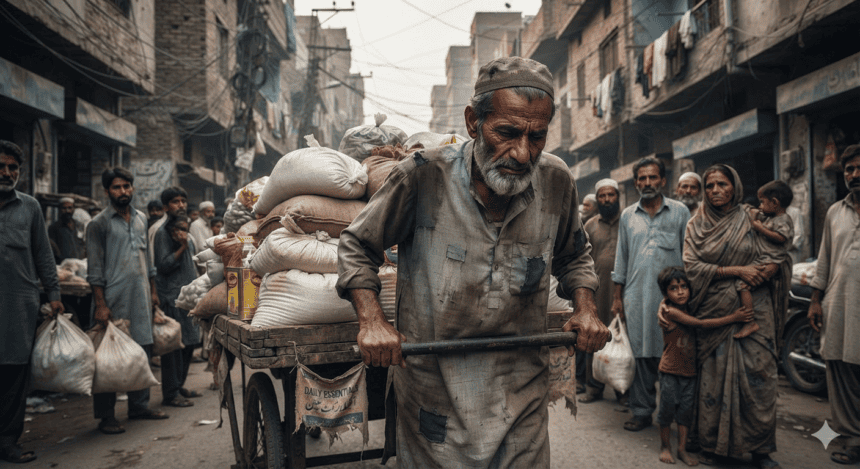
For the average household, the math isn’t working. Electricity bills, fuel surcharges, and basic food costs have outpaced wage growth for months. Hafiz Naeem contends that while the public is forced to tighten its belt, the government shows no appetite for austerity. He called for a complete overhaul of the current budget structure, specifically targeting the perks and privileges afforded to the bureaucratic elite.
“The government expects the public to sacrifice while they continue to operate with the same extravagance that brought the economy to this point,” Hafiz Naeem told supporters. He challenged the ruling coalition to disclose the exact costs of ministerial travels and administrative overheads, suggesting that a fraction of those savings could provide immediate relief to those struggling to pay utility bills.
Economists have long debated the efficacy of Pakistan’s current austerity measures. While the government maintains that structural reforms are essential to satisfy international lenders, critics like Hafiz Naeem argue these reforms disproportionately target the bottom 80% of the population. The JI leader’s rhetoric reflects a growing sentiment of fatigue among the working class, who feel the state’s fiscal housecleaning hasn’t reached their own kitchens.
The government has yet to issue a formal rebuttal to these specific claims. Finance ministry officials have previously defended the current spending trajectory as necessary for maintaining basic state functions and meeting debt obligations. However, the lack of a visible reduction in administrative expenditure remains a primary talking point for opposition leaders looking to capitalize on public frustration.
Hafiz Naeem’s message was clear: the current trajectory is unsustainable. If the government refuses to curb its own spending, he warned, the resulting social unrest may prove far more costly than the fiscal adjustments they are currently trying to avoid.
As the economic pressure mounts, the divide between political rhetoric and street-level reality continues to widen — and for millions of Pakistanis, the next utility bill is the only indicator that matters.