Heart diseases, including heart attack and heart failure, are increasing rapidly in Pakistan as well as around the world, and the alarming aspect is that younger individuals are now also becoming vulnerable to these conditions.
According to medical experts, there has been a significant increase in cases of heart disease among people aged 30 to 45 years, while the risk is continuing to rise among women.
Experts say that modern lifestyles, mental stress, unhealthy diets, and hormonal changes are increasing the likelihood of heart disease in women.
Since the symptoms of heart disease in women are often different from those in men, many women tend to ignore them, assuming they are merely signs of fatigue or physical weakness.
Basic Difference Between Heart Attack and Heart Failure:
According to medical experts, both heart attack and heart failure are heart related conditions; however, their nature is different.
A heart attack occurs when a blockage develops in the arteries that supply blood to the heart. As a result, the supply of blood and oxygen to the heart muscles is interrupted, and the affected tissues begin to suffer damage.
In contrast, heart failure is a condition in which the heart muscles become weak and are unable to pump blood according to the body’s needs. It is generally a long-term disease that worsens over time. However, with proper treatment and medication, patients can live a normal life.
Experts say that in some cases, a severe heart attack can affect the heart’s pumping ability and eventually lead to heart failure.
Symptoms of Heart Attack in Women:
Before a heart attack occurs, women may experience certain symptoms that are different from those commonly seen in men and are often less obvious.
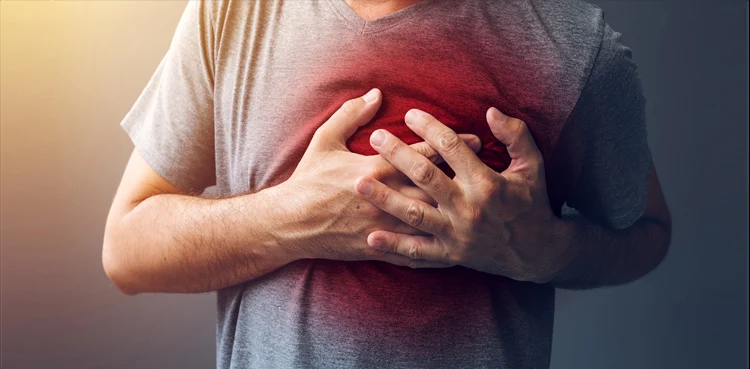
Women may feel pressure, tightness, heaviness, or pain in the center of the chest that may last for several minutes, disappear, and then return.
In addition, pain or discomfort in the following areas may also indicate a heart attack, including the neck, jaw, back, shoulders, arms, abdomen, and other areas. Prominent symptoms also include shortness of breath, cold sweats, nausea, dizziness, unusual fatigue, weakness, and anxiety.
According to experts, some women experience severe pressure or tightness in the upper back during a heart attack, as if their body is being tightly bound.
Preventive Measures:
According to the American Heart Association, most heart diseases can be prevented by adopting a healthy lifestyle.
Health experts advise regular medical checkups to monitor heart health. Smoking should be avoided, as the risk of heart disease decreases significantly within one year of quitting smoking.
People should engage in at least 150 minutes of moderate physical activity or 75 minutes of vigorous exercise per week. Muscle-strengthening exercises should also be made a regular part of daily life.
The diet should include fruits, vegetables, whole grains, low fat dairy products, nuts, and healthy sources of protein. The consumption of processed foods, added sugars, and excess salt should be limited.
Experts say that if women take the early signs of heart disease seriously and seek timely medical advice, many complications can be avoided.