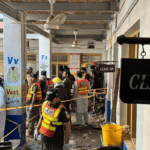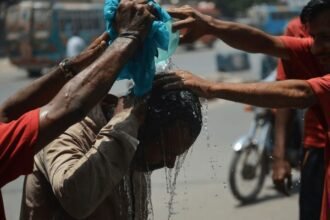
Fresh heat-related deaths have been reported in Karachi as the city remains under severe heat stress, with hospitals continuing to receive patients suffering from heatstroke and dehydration. Current coverage confirms that the situation has worsened during the latest hot spell, though the exact death toll varies by report and update time, making attribution important when using specific figures.
The broader picture is clear: Karachi has again been facing dangerous temperatures and serious public-health pressure linked to extreme heat. Recent and past reporting on Karachi heat emergencies shows hospitals setting up dedicated heatstroke wards and emergency arrangements when temperatures surge, a sign of how quickly hot weather can turn into a wider civic and medical crisis in the city.
There is also a long-running problem with heatwave death counts in Karachi. Previous reporting has shown disputes between official figures and estimates from welfare organizations and hospital-linked data, with some deaths recorded directly as heatstroke and others harder to classify because patients arrive with multiple vulnerabilities, including dehydration, age-related illness, or delayed access to treatment.
That is why any headline built around a precise toll — including claims such as “8 more dead” or “toll rises to 14” — should be treated carefully unless tied to a clearly named hospital, charity, or official department update. Based on the sources I could verify, the safer and more accurate framing is that Karachi is seeing additional heat-related deaths and rising hospital pressure during the current heatwave, rather than locking in one citywide total without attribution.
The underlying risk remains severe. Research and reporting on Karachi’s recent heat crises show that extreme temperatures, humidity, power stress, and delayed treatment can quickly push vulnerable residents — especially the elderly, outdoor workers, and people without reliable cooling — into life-threatening conditions. That makes public warnings, hydration, reduced daytime exposure, and fast emergency response critical whenever temperatures spike.