Jamaat-e-Islami (JI) chief Hafiz Naeem ur Rehman has announced a nationwide strike for September 3. The protest targets the federal government’s refusal to roll back recent electricity tariff hikes and renegotiate terms with independent power producers (IPPs).
The announcement follows the conclusion of a sit-in at Liaquat Bagh in Rawalpindi. Rehman rejected the government’s recent outreach, calling the current relief measures “cosmetic” and insufficient to address the crushing burden of utility bills on the middle and working classes.
“The government thinks a few temporary concessions will silence the streets,” Rehman told supporters yesterday. “They are mistaken. We are shutting down the country to force a structural change in how power contracts are managed.”
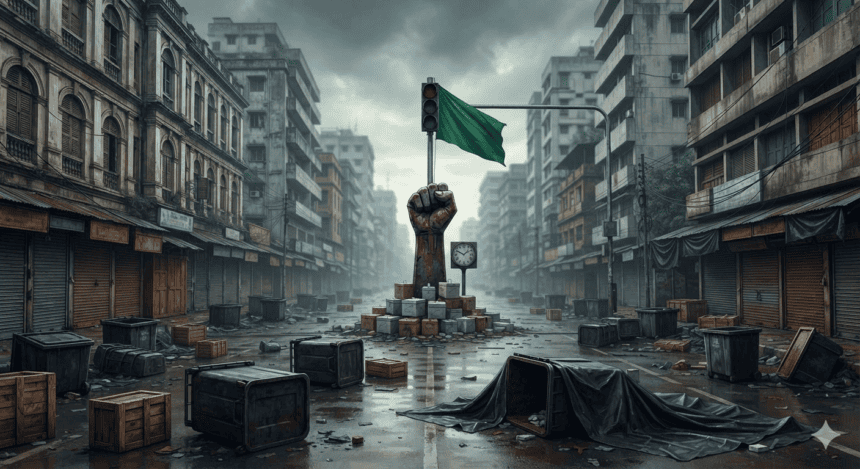
The strike poses a significant challenge for the coalition government. With the economy already under pressure from IMF-mandated reforms, the prospect of a complete commercial shutdown threatens to disrupt supply chains and daily commerce in major urban centers. JI leadership expects support from traders’ unions, who have expressed growing frustration over high overhead costs.
Authorities have yet to issue a formal response to the strike call, though security officials in Islamabad and Lahore are reportedly monitoring the situation. Previous protests led by the JI have seen significant participation in Karachi and Rawalpindi, where the party maintains a dedicated grassroots network.
The core of the dispute remains the capacity charges paid to IPPs. Critics of the government argue these contracts—signed under previous administrations—are lopsided and prioritize guaranteed profits for private investors over the affordability of power for households.
Whether the strike gains momentum depends largely on the cooperation of the business community. If major markets in Karachi, Lahore, and Faisalabad remain shuttered, the government may be forced back to the negotiating table.
For now, the deadline stands. September 3 will test whether the JI’s street power can translate into actual policy concessions from a government that has little fiscal room to maneuver.