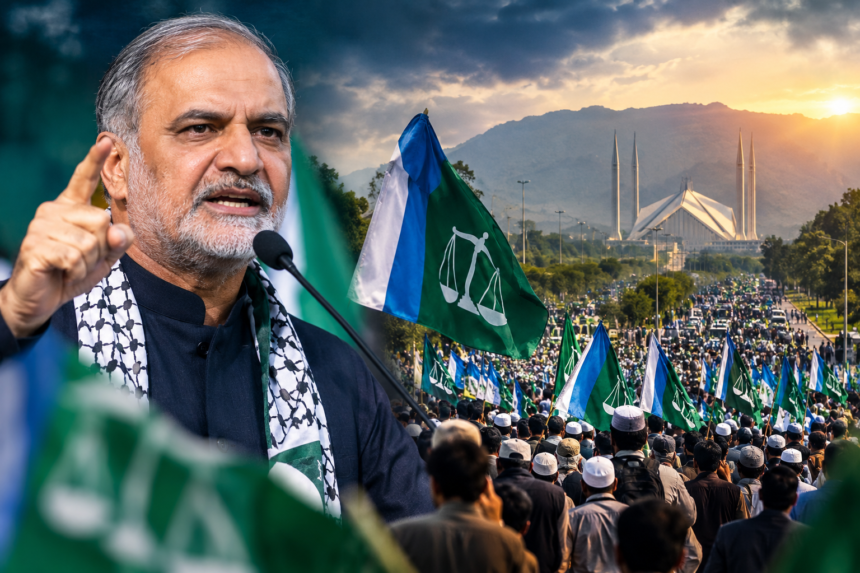
Jamaat-e-Islami (JI) chief Hafiz Naeem-ur-Rehman has signaled a potential march toward Islamabad, intensifying pressure on the coalition government over skyrocketing electricity bills and the state of the national economy.
Speaking at a party gathering, Naeem didn’t mince words. He warned that if the government fails to revise its current energy policy and provide immediate relief to the middle and working classes, his party would mobilize supporters for a massive protest sit-in at the federal capital.
The threat comes as the government struggles to meet International Monetary Fund (IMF) conditions, which have necessitated the removal of energy subsidies. For the average Pakistani household, this has translated into monthly bills that now rival—or exceed—basic food expenses.
Naeem’s rhetoric isn’t just about power rates. It’s a broader challenge to the current political status quo. By positioning the JI as the primary voice for the disenfranchised, he’s effectively squeezing the ruling parties, who are already grappling with low public approval and a precarious economic outlook.
“The people are being crushed under the weight of these taxes,” Naeem told his supporters. He argued that the government’s reliance on debt-driven policies is unsustainable and that the burden of economic mismanagement is being unfairly shifted onto the public’s back.
Government officials have largely maintained that there is no room for fiscal maneuvering without jeopardizing the country’s IMF bailout program. Finance Ministry sources suggest that any rollback of tariffs would trigger a default risk, leaving them with little appetite to negotiate with protest leaders.
This sets the stage for a classic confrontation: a government bound by international financial commitments versus a populist opposition leader ready to capitalize on widespread public anger.
If the JI moves forward with the march, it will likely disrupt the capital’s already fragile security environment. More importantly, it forces the government to choose between maintaining its fiscal path and managing the growing political volatility on the streets.