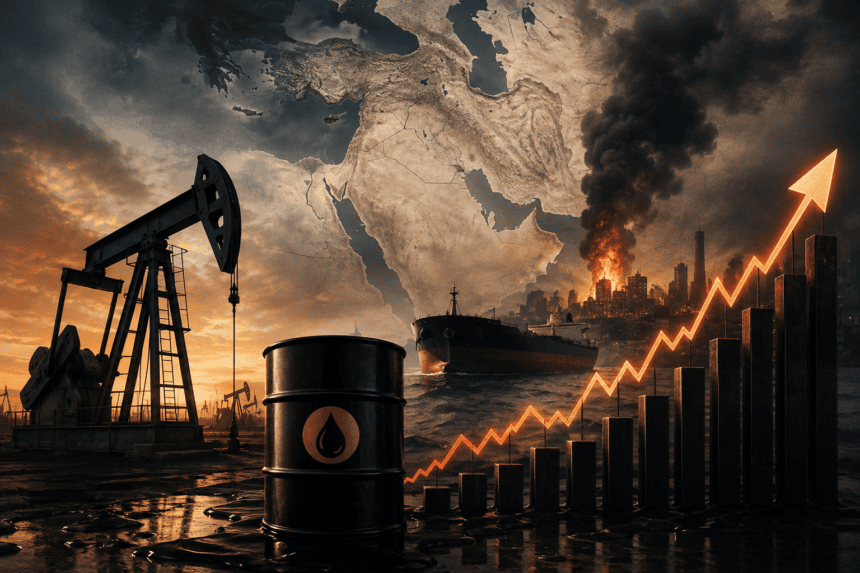
Oil prices remain trapped in a volatility cycle as conflict in the Middle East defies traditional market logic. Traders are no longer just reacting to current supply disruptions; they are pricing in the potential for a total regional conflagration.
Brent crude has struggled to find a stable floor, swinging between $70 and $80 a barrel. While physical supply—primarily from Saudi Arabia and the UAE—remains unaffected, the “risk premium” is back. Investors are betting that the next escalation might not be a border skirmish, but a direct hit to the Strait of Hormuz.
The Strait serves as the world’s most critical maritime chokepoint. Roughly 20 million barrels of oil pass through it daily, accounting for about a fifth of global consumption. Analysts at major trading houses argue that any kinetic disruption here would force prices into triple digits overnight, a scenario that central banks are desperate to avoid as they fight to keep inflation contained.
“The market is tired of the geopolitical ping-pong,” says a senior energy strategist at a London-based hedge fund. “We aren’t seeing a supply shock yet, but the fear of a ‘black swan’ event in the Gulf is keeping the shorts from getting too aggressive.”
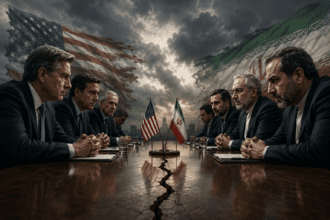
The situation is further complicated by Iran’s role. Western sanctions have already pushed much of Iran’s output into the “shadow fleet,” destined for Chinese refineries. If Israel targets Iranian energy infrastructure, as some officials have hinted, that shadow supply could vanish, tightening the global market at a time when demand growth in China is already showing signs of fatigue.
The Biden administration has been walking a tightrope. Washington is keen to keep oil flowing to ensure domestic gasoline prices remain stable ahead of the electoral cycle, yet it faces pressure to tighten the screws on Tehran’s revenue streams. This policy tug-of-war adds another layer of uncertainty for traders who prefer clear signals over diplomatic ambiguity.
Back in the physical markets, the OPEC+ alliance is watching closely. Their current production cuts were designed to support prices, but they risk being overwhelmed by the very instability they once hoped would keep the market floor high. If the war widens, the cartel’s ability to “turn the taps on” becomes irrelevant if tankers can’t safely navigate the Persian Gulf.
For now, the oil market is a prisoner of the news cycle. Every statement from Tehran or Tel Aviv triggers a knee-jerk reaction in the futures pits, proving that in an interconnected energy economy, a conflict in the Levant is never just a regional affair. Until a diplomatic off-ramp appears, expect the price of your commute to remain tied to the latest headlines from the Middle East.