SINGAPORE: Oil prices fell by more than $1 a barrel on Monday as investors took profits ahead of an expected US announcement on additional sanctions against Iran, raising concerns that further restrictions could disrupt supplies from the Middle East.
Brent crude futures fell $1.23, or 1.3%, to $93.16 a barrel by 8:29am Pakistan time. US West Texas Intermediate crude declined $1.36, or 1.6%, to $85.70 a barrel.
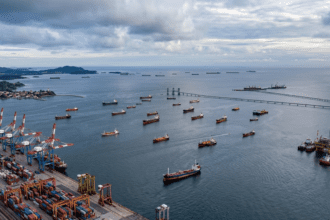
Both benchmarks had posted their second consecutive weekly gains last week, rising by more than 5%, as peace talks between the United States and Iran stalled. The ongoing tensions have restricted oil shipments through the Strait of Hormuz, a crucial route through which a significant share of the world’s oil traditionally passes.
US Treasury Secretary Scott Bessent was scheduled to hold a press conference on Monday and had threatened to impose what he described as the “toughest sanctions in history” on Iran. US President Donald Trump has also threatened sanctions against countries that continue trading with Tehran.
Vivek Dhar, a commodities analyst at Commonwealth Bank of Australia, said it remained unclear whether US efforts to economically isolate Iran would achieve their intended objective. He warned that if the measures prove effective, Iran could potentially respond with further escalation, creating additional risks for global energy markets.
Iran has condemned the planned US sanctions, while President Masoud Pezeshkian has called for a diplomatic solution to the dispute.
IG Markets analyst Tony Sycamore said pragmatic elements within Iran’s leadership were likely to favour de-escalation, while more hardline figures could prefer continued confrontation. He said developments during the week could provide a clearer indication of which faction would gain greater influence.
Trade sources said offers of Iranian crude to Chinese buyers had declined and prices had increased as restrictions on Tehran’s shipments tightened.
Meanwhile, Iran has allowed several Iraqi oil tankers to pass through the Strait of Hormuz following repeated requests from Baghdad, Iran’s state news agency IRNA reported.
Some analysts expect the recovery in Middle Eastern oil supplies to take longer than previously anticipated if the US-Iran conflict continues.
Morgan Stanley analysts said crude supplies were tightening, with a sharp decline in oil held on water and falling onshore inventories, including in China.
They said the reduction in supply was being driven primarily by lower exports from the Middle East, with several data sources indicating that regional exports had fallen back towards levels seen in March and April.