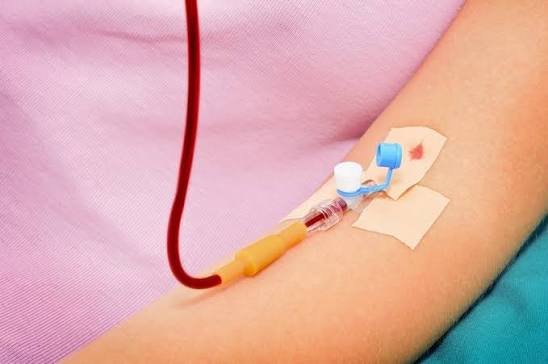
Pakistan is moving to strengthen its blood transfusion system as health authorities focus on improving the availability, safety and quality of donated blood. The World Health Organization (WHO) says Pakistan needs more than 5 million blood donations annually, but currently receives around 2.7 million, with only 18% coming from voluntary, unpaid donors.
A major development came in Karachi, where the Dow University of Health Sciences (DUHS) Blood Center became the first blood center in Pakistan to receive international AABB certification for blood banking and transfusion services. The certification marks progress toward stronger quality and safety standards in blood transfusion.
WHO recommends that donated blood be screened for infections including HIV, hepatitis B, hepatitis C and syphilis before it is used for transfusion. Safe blood is essential for surgeries, childbirth emergencies, accidents, cancer treatment and patients with conditions such as thalassemia and haemophilia.