The legal battle surrounding the shooting of news anchor Rabia Ahsan took an abrupt turn Tuesday. Her brother, who initially filed the First Information Report (FIR) against the suspects, has formally withdrawn the complaint. He told local investigators the gunfire that left the anchor injured was “incidental” rather than a targeted attack.
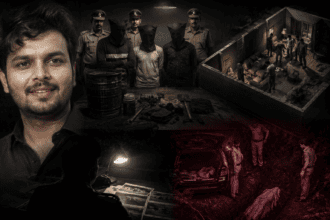
The reversal strips the case of its primary testimony. Police had spent the last week treating the shooting as a premeditated attempt on Ahsan’s life, citing witness accounts and CCTV footage recovered from the scene. Now, the prosecution faces a significant hurdle: the complainant has effectively declared the incident an accident.
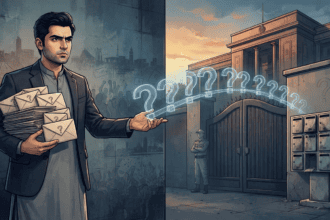
Ahsan’s brother signed an affidavit stating the parties involved have reached an “out-of-court settlement.” He claimed the weapon was discharged unintentionally during a heated argument, dismissing his earlier assertions of attempted murder.
Legal observers remain skeptical. In many high-profile cases involving influential figures, withdrawal of an FIR under the guise of an “accidental discharge” is often the result of back-channel pressure or financial settlements.
“The state is the aggrieved party in criminal law,” said one senior criminal attorney familiar with the case. “Even if the brother pulls back, the police possess medical reports and forensic evidence. If the state chooses to pursue this as a crime against the public order, the withdrawal won’t automatically close the file.”
Despite the brother’s statement, the police have not yet granted a clean chit to the suspects. Investigators are currently reviewing the affidavit to determine if the withdrawal violates the law or if it constitutes a compromise in a non-compoundable offense.
For now, the anchor remains under medical observation. Whether the investigation continues as a criminal inquiry or is relegated to a closed file depends entirely on how the prosecutor interprets the sudden change in the complainant’s stance.