By using this site, you agree to the Privacy Policy and Terms of Use.
Accept
Media HydeMedia Hyde
  • Home
  • Politics
  • Education
  • Entertainment
  • Sports
  • Blogs
  • Business & Commerce
  • Others
    • Religious
    • Metropolitan
    • Climate and Weather
Font ResizerAa
Media HydeMedia Hyde
Font ResizerAa
  • Home
  • Politics
  • Education
  • Entertainment
  • Sports
  • Blogs
  • Business & Commerce
  • Others
    • Religious
    • Metropolitan
    • Climate and Weather
Follow US
© 2026 Media Hyde Network. All Rights Reserved.
Climate and Weather

Scientists Warn “Rain Chaos” Could Disrupt Water for 2 Billion People

Last updated: June 1, 2025 5:28 pm
Sana Mustafa
Share
SHARE

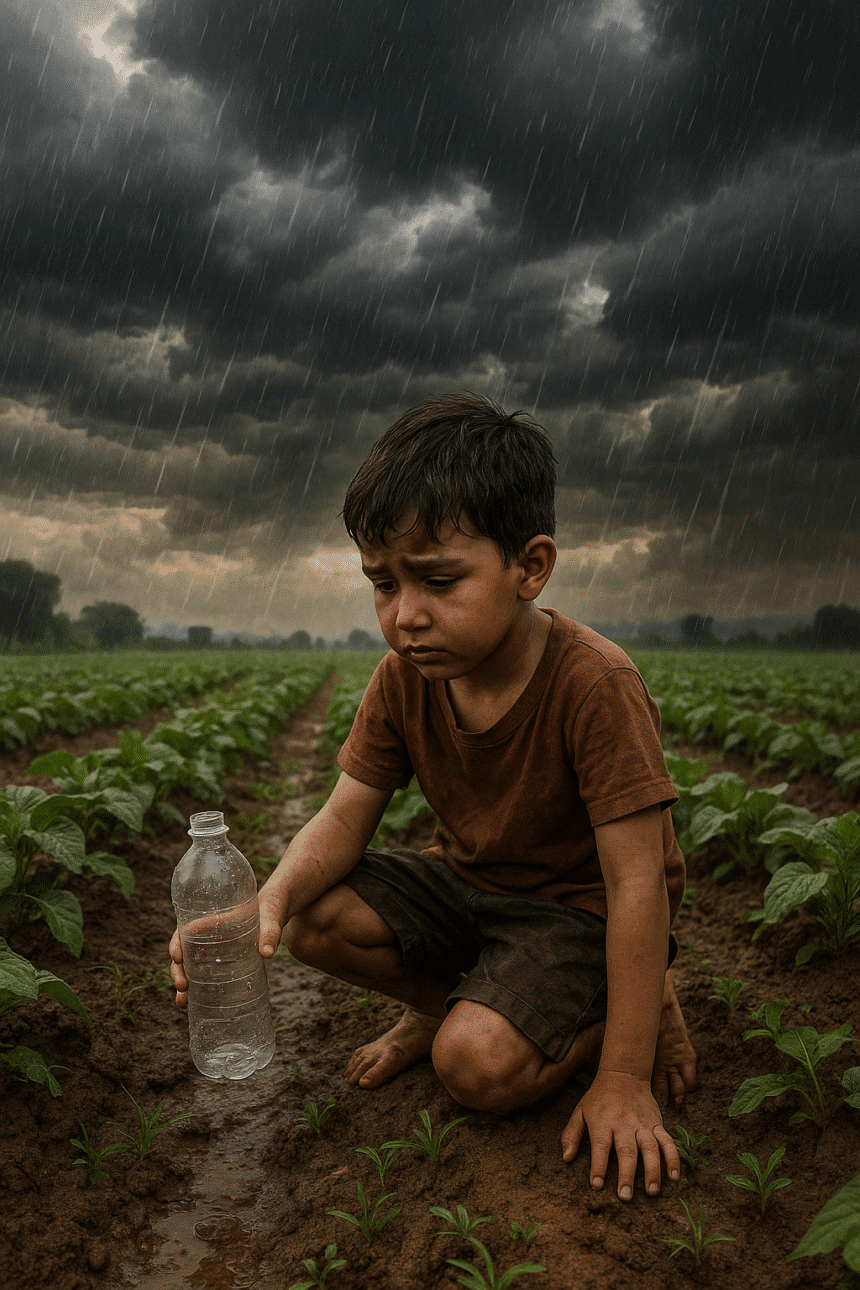
A new study published in Earth’s Future raises an urgent alarm rising global temperatures could permanently alter the planet’s rainfall patterns, putting nearly 2 billion people at risk especially those living in equatorial regions that rely heavily on seasonal rain.

At the heart of this potential disruption is the intertropical convergence zone (ITCZ), a vital atmospheric belt that governs much of the Earth’s rainfall near the equator. A shift in the ITCZ’s position could trigger large-scale changes in regional precipitation, with far-reaching consequences for water access, agriculture, and energy production.

“This isn’t just speculation—it’s a serious possibility,” said Richard Allan, professor of climate science at the University of Reading. “Because the impacts on regional water availability could be enormous, this must be taken seriously.”

A Global Chain Reaction

The study’s most sobering finding is that 23% of the global population and more than 12% of the Earth’s land surface could face severe hydrological changes. Communities that rely on seasonal rainfall for farming, drinking water, and hydroelectric power would be especially vulnerable. In parallel, sensitive ecosystems like rainforests and savannas dependent on predictable moisture cycles could suffer irreversible damage.

The threat goes beyond water shortages. These disruptions could trigger mass migration, strain public health systems, destabilize energy supplies, and upend global food chains. Once set in motion, these changes are unlikely to reverse.

“This is very clear,” said co-author Steffen Steinert. “We must cut emissions as soon as possible.”

Urgency Over Certainty

Although the worst-case outcomes are not inevitable, scientists warn that the risks are too serious to ignore. The scenarios are described as “low probability but plausible,” meaning they may not be likely—but they’re real enough to demand urgent action.

The findings reinforce a growing body of research showing that Earth’s climate is nearing critical thresholds. Waiting for full certainty could result in irreversible outcomes by the time they’re fully visible.

The message from researchers is clear: reduce greenhouse gas emissions now, or risk pushing the planet into a permanently altered climate with cascading effects on billions of lives and ecosystems worldwide.


Share This Article
Email Copy Link Print
Previous Article Arshad Nadeem’s Mother Expresses Joy and Gratitude for Her Son’s Success
Next Article Urfi Javed’s Bold Statement: “I’m Leaving Islam Behind, No Marriage with Muslim Men”
Leave a Comment

Leave a Reply Cancel reply

Your email address will not be published. Required fields are marked *

Sponsored Ads

Stay Connected

FacebookLike
XFollow
InstagramFollow
YoutubeSubscribe
WhatsAppFollow
ThreadsFollow
PM Shehbaz Reaffirms Commitment to Equitable Development Across Provinces
Infrastructure Politics
June 13, 2026
Kuwait Reminds Employers to Utilize Visa Transfer System
international
June 13, 2026
Karachi Rabies Death Toll Hits 14 as Vaccine Shortage Persists
Headline Health
June 13, 2026
Conservationists push for chalk grassland restoration to save rare insects
Climate and Weather Headline
June 13, 2026
Karachi heatwave breaks as sea breeze returns
Climate and Weather Headline
June 13, 2026
Budget FY26-27 Extends EV Concessions and Increases FED on Luxury High-Displacement Vehicles
Business & Commerce
June 13, 2026

You Might Also Like

Climate and Weather

Lahore Becomes the Most Polluted City in the World with AQI at 274

By
Aiza Uddin
Climate and Weather

China’s CO2 emissions have been flat or falling for past 18 months, analysis finds

By
Anoosha Malik
‘Devastating’ fire tears through protected nesting site at Coatham Marsh
Climate and WeatherHeadline

‘Devastating’ fire tears through protected nesting site at Coatham Marsh

By
Ayesha Masood
Climate and Weather

Experts Call for Long-Term Efforts on Pakistan’s Green Building Initiative

By
Anoosha Malik
Media Hyde Media Hyde Dark
Facebook Twitter Youtube Rss Medium

About US

Media Hyde Network: Your instant connection to breaking stories and live updates. Stay informed with our real-time coverage across politics, tech, entertainment, and more. Your reliable source for 24/7 News.

Top Categories
  • Headline
  • Politics
  • Entertainment
  • Education
  • Sports
  • Religious
  • Metropolitan
  • Climate and Weather
Usefull Links
  • Contact Us
  • Disclaimer
  • Privacy Policy
  • Cookies Policy
  • Advertising Policy
  • Terms & Conditions

© 2025 Media Hyde Network. All Rights Reserved.

Welcome Back!

Sign in to your account

Username or Email Address
Password

Lost your password?