It is common to notice that some children fall sick more frequently than others. While occasional illness is normal in growing kids, repeated infections can be worrying for parents. The difference is usually linked to immunity, lifestyle, environment, and nutrition.
1. Weak or Developing Immune System
Children’s immune systems are still developing, especially in early years. Some kids naturally take longer to build strong immunity.
Why it matters:
- Less ability to fight viruses and bacteria
- Higher risk of frequent colds, flu, and infections
2. Poor Nutrition
Diet plays a major role in immunity.
Children who don’t get enough:
- Vitamins (A, C, D)
- Iron and zinc
- Protein
are more likely to get sick often.
Common issues:
- Junk food over healthy meals
- Lack of fruits and vegetables
- Irregular eating habits
3. Exposure to Germs
Children in certain environments get more exposure to infections:
- Schools and daycare centers
- Crowded places
- Poor hygiene conditions
Frequent contact increases the chances of catching viruses.
4. Lack of Proper Sleep
Sleep is essential for immune repair.
If a child doesn’t sleep enough:
- Immune system weakens
- Recovery becomes slower
- Infection risk increases
5. Poor Hygiene Habits
Not washing hands or touching dirty surfaces can spread germs quickly.
Risk behaviors:
- Not washing hands before eating
- Touching face frequently
- Sharing bottles or food
6. Environmental Factors
Air quality and surroundings also matter:
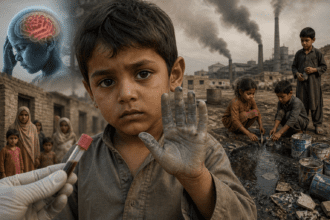
- Pollution
- Secondhand smoke
- Dust and allergens
These can weaken the respiratory system and increase infections.
7. Genetic Factors
Some children may naturally have:
- Lower immunity
- Allergies or asthma
- Family history of frequent infections
8. Lack of Physical Activity
Active children usually have stronger immunity.
Sedentary lifestyle can:
- Slow metabolism
- Reduce immune efficiency
- Increase vulnerability to illness
Conclusion
Children getting sick often is usually due to a combination of weak immunity, poor nutrition, lack of sleep, and environmental exposure. Most of these factors can be improved through healthy habits, balanced diet, proper hygiene, and active lifestyle.