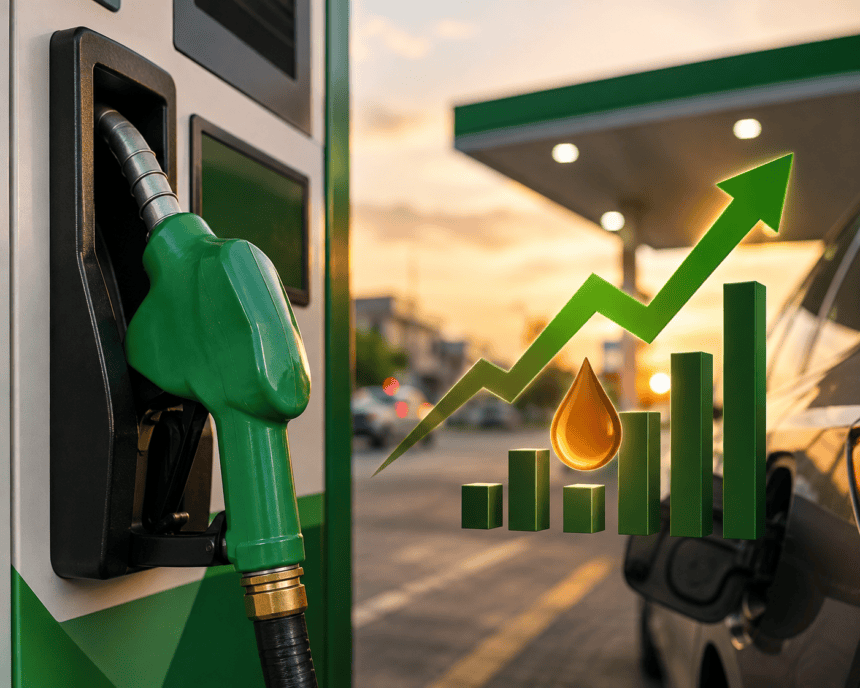
Pakistan’s finance ministry announced a significant reduction in fuel prices effective August 20, 2026, bringing the cost of petrol down to Rs 262.15 per liter. The Rs 8.50 cut follows a downward trend in international oil markets over the last fortnight.
The decision comes as a rare relief for households struggling with persistent inflation. While the government often cites global commodity price volatility to justify hikes, this move signals a brief window of stability for the country’s transport and logistics sectors.
Retailers and pump owners began adjusting their digital displays early Wednesday morning. Despite the price drop, public transport fares remain unchanged, a point of contention for daily commuters who argue that local transporters rarely pass on the benefits of fuel cuts to the passengers.
The adjustment was made possible by a cooling in the global Brent crude benchmarks. Finance officials confirmed the new rates were calculated based on the average import cost for the previous 15 days, combined with the government’s current tax margins.
Economists remain cautious about the long-term impact of this reduction. While the lower price helps keep the consumer price index from spiking further, the government’s reliance on petroleum levies—a core revenue stream under the current IMF program—means any further cuts are unlikely in the near future.
“The relief is welcome, but it’s a drop in the ocean,” said independent energy analyst Tariq Malik. “We are still paying high premiums compared to the regional average when you factor in the currency depreciation and the fixed taxes baked into every liter.”
For the average motorist, the change is immediate. Whether the ripple effect reaches grocery store shelves or bus ticket prices, however, remains the real test for an administration desperate to stabilize the cost of living.