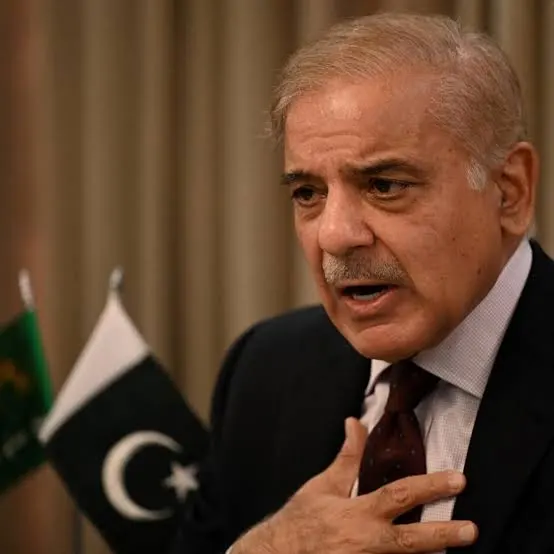
Prime Minister Shehbaz Sharif on Friday used the first anniversary of Marka-i-Haq to send a blunt message at home and across the border: Pakistan, he said, cannot be “intimidated or subdued,” and any future attack would draw what he called an “immediate, befitting and full-spectrum response.” The remarks came as the country marked one year since the May 2025 confrontation with India, a four-day flare-up that pushed the two nuclear-armed neighbours into one of their most dangerous standoffs in years.
In his statement, the prime minister described the episode as something “etched in history,” casting Pakistan’s response as a moment of national resolve rather than just a military exchange. Dawn reported that Shehbaz praised the armed forces for coordinated action across land, sea, air and cyber domains, while saying the confrontation had punctured what he called India’s “illusion of invincibility.”
The anniversary itself carries heavy political symbolism in Pakistan. May 10 was formally designated Youm-e-Marka-e-Haq after the 2025 conflict, with the government tying the date to Operation Bunyanum Marsoos and presenting it as an annual day of remembrance and national pride. That framing has stayed central this week, with military and civilian leaders using the occasion to underline deterrence, sovereignty and preparedness.
The background is still raw. The 2025 crisis erupted after a deadly attack in Pahalgam in Indian-administered Kashmir killed 26 people, most of them Hindu tourists. India blamed Pakistan-backed militants; Islamabad denied involvement and called for an independent investigation. What followed was a fast, ugly cycle of missile strikes, drone activity and artillery fire before a ceasefire, brokered with U.S. involvement, took hold on May 10, 2025.
That history matters because both sides are still telling the story in very different ways. Pakistan is commemorating the clash as Marka-i-Haq, a moment of resistance and strategic success. India, meanwhile, continues to frame the episode through its own military narrative, with officials this week again defending Operation Sindoor as a justified response to terrorism and reaffirming India’s right to self-defence.
So this anniversary was never going to be a quiet one. In Pakistan, the tone has been one of tribute, warning and political messaging rolled into one. President Asif Ali Zardari, in a separate message, said Pakistan had emerged as a symbol of balance and stability in the region, while other public events around the anniversary stressed unity and the military’s role in last year’s crisis.
Still, beneath all the ceremony, the broader reality hasn’t changed much: the ceasefire is holding, but the relationship remains brittle. Even a year later, the dispute over Kashmir, the accusations over cross-border militancy and the competing victory narratives have left very little room for trust. Shehbaz’s speech reflected that mood exactly — part commemoration, part warning, and very clearly a reminder that Islamabad wants its posture of deterrence heard loud and clear.