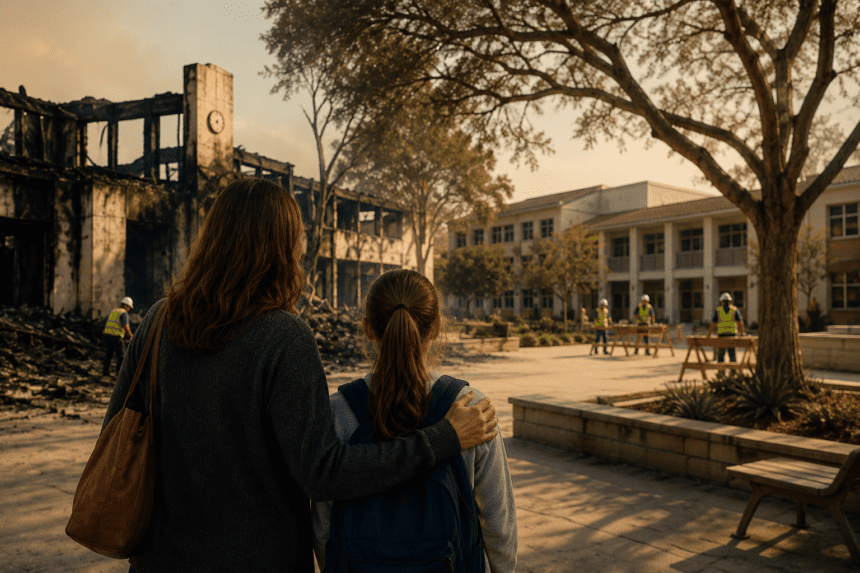
Ash settled over the Palisades High School campus weeks ago, but the anxiety among parents remains thick. As the school administration pivots from emergency evacuation protocols to long-term rebuilding, the central question for many families isn’t just about structural integrity it’s about whether the environment remains safe for students to return.
The fires didn’t just scorch the hillsides; they exposed deep-seated concerns regarding campus readiness.
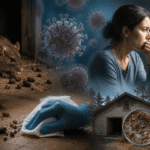
Parents arriving at recent town halls weren’t looking for administrative platitudes. They wanted air quality reports, soil toxicity assessments, and clear timelines for debris removal from adjacent slopes. “I’m not dropping my daughter off until I see the independent air quality testing logs,” said Sarah Miller, a parent of a sophomore at the school.
“They talk about the building being ‘sound,’ but what about the particulates still circulating in the ventilation systems?”
The school board maintains that the facility passed initial inspections. They point to the removal of charred brush and the reinforcement of fire-damaged fencing as evidence that the campus is secure. Yet, for many, the official line feels like a rehearsed script.
When pressed on whether the school has conducted specialized testing for chemical residues often found in burnt urban-adjacent brush, officials have offered little beyond assurances that they are “following state guidelines.” The history of the area complicates the narrative.
The Palisades have long been a high-risk zone, yet the intensity of recent fire seasons has shifted the reality of living and learning here. It’s no longer a matter of “if” a fire reaches the perimeter, but “how” the school handles the aftermath. For families, the stakes are immediate. Respiratory issues, lingering trauma from the evacuation, and the sight of blackened hillsides serve as daily reminders of the proximity of the threat.
The administration’s challenge is to balance the need for academic normalcy with the reality that the physical environment has fundamentally changed. As the semester moves forward, the school faces a credibility test. Parents aren’t just watching the reconstruction; they are scrutinizing the data. If the administration continues to lean on generic safety statements, they risk losing the trust of the very community they serve.
For parents like Miller, the decision to return isn’t just about the calendar it’s about the evidence. Until the school provides the transparency they’re demanding, the uncertainty will continue to overshadow the classroom.