Public health officials aren’t sounding alarms, but they are watching closely. Hantavirus Pulmonary Syndrome (HPS) remains a rare, deadly respiratory disease that surfaces sporadically across the Americas. While the infection rate is low, the mortality ratehovering near 36% keeps it on the CDC’s high-priority list. Most cases trace back to a single culprit: the deer mouse. The virus doesn’t spread from person to person.
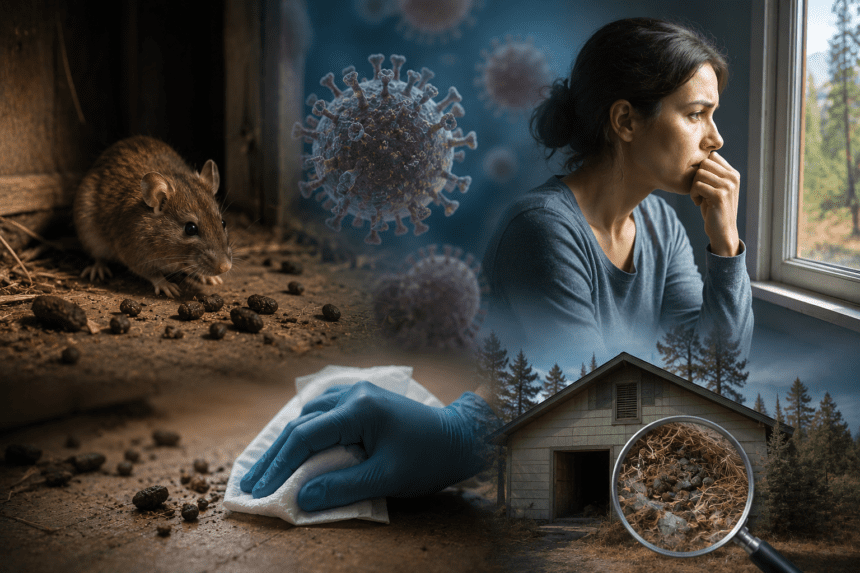
Instead, it hitches a ride on rodent droppings, urine, or saliva.
When these dried materials are stirred up into dust and inhaled, the virus enters the human system. For the average person, the risk is minimal, provided they avoid high-risk environments. The danger spikes in rural settings, particularly in unsealed cabins, barns, or sheds where rodent populations thrive unchecked. If you’re clearing out a space that’s been closed for the winter, you’re in the prime zone for potential exposure.
The symptoms are deceptively common. It starts with fever, muscle aches, and fatigue the classic hallmarks of the flu. But the progression is fast. Within days, the lungs begin to fill with fluid, turning a manageable illness into a medical emergency.
“The speed is what catches people off guard,” says Dr. Elena Rodriguez, an infectious disease specialist. “Patients often dismiss the initial fatigue as seasonal exhaustion. By the time they have trouble breathing, the window for effective intervention has already narrowed significantly.
” There is no specific cure for HPS. Treatment centers on supportive care—oxygen therapy and mechanical ventilation to keep the patient’s organs functioning while the immune system fights back. Because the virus is so rare, many frontline clinicians may not immediately suspect HPS, leading to critical diagnostic delays.
Public health guidance remains consistent: seal your home against rodents, wear a mask when cleaning dusty, enclosed areas, and dampen surfaces with disinfectant before sweeping. Hantavirus isn’t a pandemic threat, but it is a reminder of the proximity between human living spaces and wild reservoirs of disease. It doesn’t need to be common to be dangerous; it only needs to be overlooked.