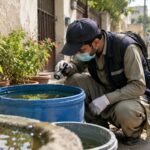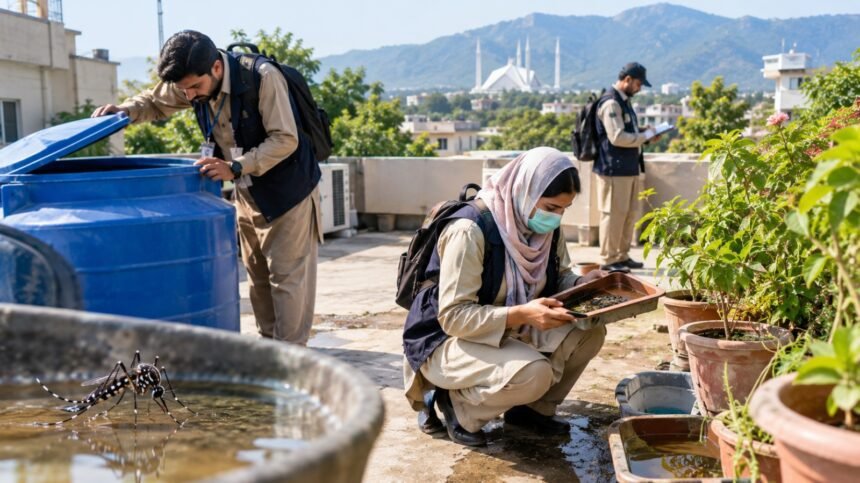
According to health officials, field teams are visiting different areas to inspect water storage containers, identify mosquito larvae and eliminate potential breeding grounds. The teams are also responding to public complaints and monitoring compliance with dengue prevention guidelines.
Authorities are focusing on areas where stagnant water may allow mosquitoes to breed. Inspections and preventive measures are being carried out to detect risks early and prevent further transmission of the mosquito-borne disease.
September, October and November are considered peak months for dengue transmission, making regular surveillance and public cooperation particularly important during this period.
The DHO has urged residents to keep their homes and surroundings clean, remove stagnant water from rooftops, gardens and containers, and cooperate with anti-dengue teams during inspections. Citizens are also encouraged to report locations where mosquitoes may be breeding.
Health officials stress that eliminating standing water and taking timely preventive measures can help reduce dengue risks and protect communities across Islamabad.