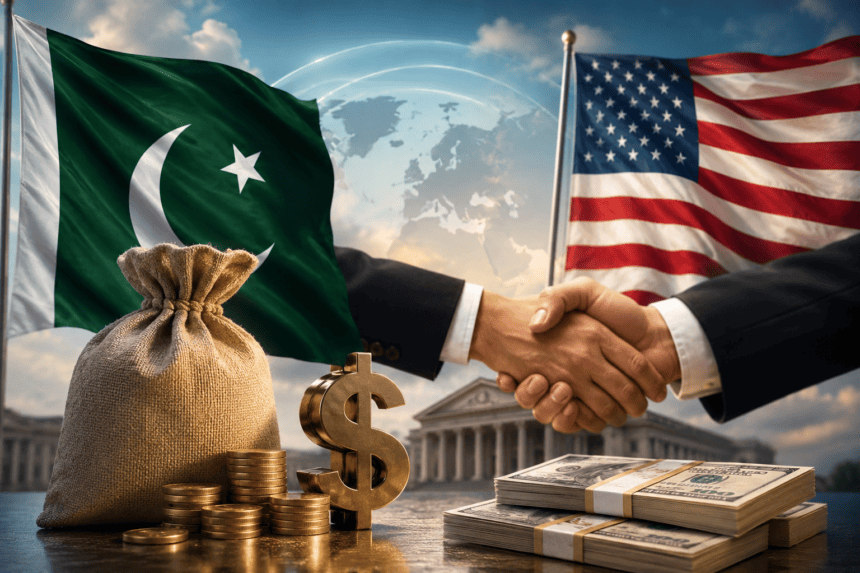
Pakistan has formally requested a $10 billion exchange stabilization facility from the United States, a move aimed at bolstering the country’s dwindling foreign exchange reserves and stabilizing the rupee. The request, which surfaced late Tuesday, marks a desperate bid to navigate a deepening economic crisis that has left the nation’s treasury nearly bare.
The proposal comes as Islamabad struggles to meet stringent conditions attached to its existing International Monetary Fund (IMF) program. Finance ministry officials—facing pressure from mounting debt repayments and record-high inflation—hope the US Treasury will act as a guarantor or direct provider of the liquidity injection.
For the average Pakistani, the stakes are immediate. The central bank’s reserves have dipped below levels required for two months of import cover. Without this stabilization facility, the government faces a stark choice: further devaluing the currency, which would trigger another wave of price hikes, or defaulting on sovereign debt obligations.
Economic analysts view the request as a pivot in Pakistan’s diplomatic strategy. By approaching Washington directly for a bailout-style facility, Islamabad is signaling that traditional multilateral lending is no longer sufficient to plug the widening fiscal gap. Whether the Biden administration is willing to extend such a massive credit line—given its own budget constraints and the political volatility in Pakistan—remains the central question.
The move follows weeks of quiet negotiations between the State Bank of Pakistan and US financial counterparts. Sources within the finance ministry confirmed that the facility is designed to act as a “buffer,” providing the necessary breathing room to implement structural reforms that the IMF has long demanded.
However, the path to approval is fraught with hurdles. Washington historically ties such financial assistance to specific governance benchmarks, including transparency in debt reporting and tax reforms. If the US government moves forward, it will likely demand rigorous oversight, effectively granting American officials a seat at the table in Islamabad’s fiscal decision-making.
The request highlights a harsh reality: Pakistan’s economic engine is stalling, and the government is running out of allies willing to provide unconditional support. As the finance team awaits a response from the US Treasury, the country’s credit rating remains under immense pressure, and the market is already pricing in the possibility of further economic turbulence.